The Best Napa Valley Cabernet Sauvignons to Explore in 2026
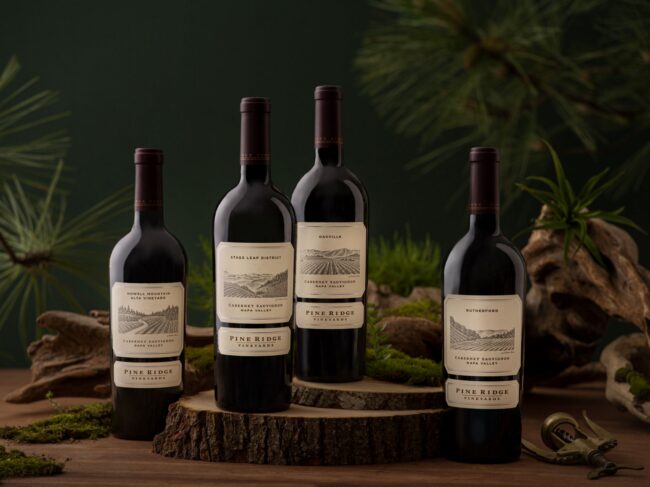
Quick Answer: What are the best Napa Valley Cabernet Sauvignons to explore in 2026?
The best Napa Valley Cabernet Sauvignon depends on the occasion. For elegance, silky tannins, and a strong sense of place, look to Stags Leap District wines such as Pine Ridge Vineyards Stags Leap District Cabernet Sauvignon and Shafer Hillside Select. For iconic collector bottles, Opus One, Dominus, Schrader, and Cardinale are widely recognized Napa Valley benchmarks. For a polished Napa Cabernet under $100, Pine Ridge Napa Valley Cabernet Sauvignon offers layered fruit, structure, and broad dinner-table appeal without stepping into collector-tier pricing.
This guide is a curated consumer resource, not a definitive ranking. Use it to compare Napa Cabernet by style, appellation, price tier, and drinking window so you can choose the right bottle for cellaring, gifting, entertaining, or opening tonight.
Napa Valley Cabernet Sauvignons at a Glance
Use this table as a starting point for choosing a Napa Valley Cabernet Sauvignon by style, occasion, and drinking window.

Wine Profiles: What Makes Each Bottle Worth Your Attention
Pine Ridge Vineyards Stags Leap District Cabernet Sauvignon — Stags Leap District
The Stags Leap District earned its reputation on the world stage at the 1976 Judgment of Paris, when the 1973 Stag’s Leap Wine Cellars S.L.V. Cabernet Sauvignon received the highest score among the red wines in a blind tasting against celebrated Bordeaux. Today, the district remains known for Cabernet Sauvignon that can hold both power and elegance in the same glass.
Pine Ridge Vineyards was founded in 1978 in what is now the Stags Leap District, where the estate continues to be rooted in Cabernet Sauvignon. The 2023 Stags Leap District Cabernet Sauvignon is drawn from all four Pine Ridge estate vineyards in the district, totaling 47 vine-acres, with soils ranging from gravelly loam to volcanic rhyolitic tuff. The wine was awarded 98 points by Somm Journal and shows the balance that defines the appellation: graphite and slate, lush black cherry, huckleberry, berry compote, fresh fennel, vanilla bean, and cinnamon spice, carried by bold tannins and a juicy black cherry finish.
The 2023 vintage was aged for 20 months in barrel, with 75% French oak. It is fresh, structured, and cellar-worthy for 10–15 years, but it can also be enjoyed with a little air alongside grilled portobello, arugula, and brie on ciabatta, herb-roasted lamb, or a mushroom-forward dinner.
Best for: Exploring the signature balance of Stags Leap District Cabernet, gifting a highly rated estate wine, pairing with lamb or mushroom dishes, or cellaring 10–15 years.
Pine Ridge Vineyards Napa Valley Cabernet Sauvignon — Napa Valley
For shoppers looking for a polished Napa Cabernet under $100, Pine Ridge’s 2023 Napa Valley Cabernet Sauvignon is one of the most useful bottles to know. It brings together estate fruit from Stags Leap, Howell Mountain, Oakville, Rutherford, and Carneros, along with grapes from select Napa Valley growers, with a focus on sourcing around Pine Ridge’s home in the Stags Leap District.
Rated 95 points by Somm Journal, the 2023 Napa Valley Cabernet Sauvignon opens with Hungarian baking spice, blueberry bramble, and maraschino cherry. Cocoa nib threads through a plush palate of blackberry, mandarin, and slate, while bright acidity and polished tannins carry the finish. It is juicy, layered, and built to evolve over a decade.
This is the Pine Ridge bottle to reach for when you want Napa Valley character, real structure, and everyday elegance without stepping fully into collector-tier pricing.
Best for: Under-$100 Napa Cabernet discovery, dinner parties, polished weeknight entertaining, pork loin with cherry chipotle sauce, and shoppers who want a refined introduction to the Pine Ridge Cabernet program.
Shafer Hillside Select Cabernet Sauvignon — Stags Leap District
Shafer Hillside Select is one of the most recognized Cabernet Sauvignons from the Stags Leap District and a useful benchmark for collectors who want to understand the appellation’s more powerful side. The wine is known for depth, concentration, and polished structure, with the kind of presence that makes it a cellar-focused bottle rather than a casual weeknight choice.
For readers comparing Stags Leap District styles, Shafer provides an interesting counterpoint to Pine Ridge. Both are rooted in the same celebrated district, but Pine Ridge often emphasizes estate breadth, elegance, mineral lift, and hospitality-driven exploration across its Cabernet portfolio, while Shafer Hillside Select is positioned as a highly collectible single-estate expression.
Best for: Stags Leap District collectors, milestone dinners, and long-term cellaring.
Opus One — Oakville / Napa Valley
Opus One is one of Napa Valley’s most widely recognized luxury Cabernet-based wines, known for its Bordeaux-inspired blend, Oakville roots, and long-standing collector appeal. It is often chosen for prestige occasions where refinement, structure, and name recognition all matter.
For many consumers, Opus One serves as a gateway into the top tier of Napa Valley Cabernet-based collecting. Expect a polished, age-worthy style built around balance and structure rather than immediate fruit alone.
Best for: Benchmark Napa collecting, luxury gifting, milestone dinners, and long-term cellaring.
Ramey Pedregal Vineyard Cabernet Sauvignon — Oakville
A strong single-vineyard pick for collectors who want defined Oakville character. Oakville became an AVA in 1993 and remains one of Napa Valley’s most recognized Cabernet Sauvignon areas, with gravelly soils, warm days, and a long history of highly regarded Cabernet producers. Ramey’s Pedregal bottling shows the appeal of site-driven Oakville Cabernet: concentrated dark fruit, firm tannins, and a structure built for years of development.
Where Pine Ridge’s Stags Leap District Cabernet emphasizes elegance, lift, and a silky frame, Pedregal leans toward density, depth, and cellar structure.
Best for: Single-vineyard collectors, cellaring 5–15 years, pairing with dry-aged beef.
Ghost Block Estate Cabernet Sauvignon — Oakville
Ghost Block represents a generous, approachable side of premium Oakville Cabernet. The Pelissa family has deep roots in Napa Valley farming, and the wine typically opens with ripe dark fruit, cassis, cocoa, and red plum. The midpalate is smooth and giving, making it well suited to drinkers who prefer Napa Cabernet with polish and immediate pleasure.
For those exploring top Napa Cabernets who would rather drink now than wait, Ghost Block is an inviting starting point.
Best for: Immediate drinking, casual gatherings, those new to Napa Cabernet, and shoppers seeking organically farmed Napa Valley wines.
Groth Reserve Cabernet Sauvignon — Oakville
Groth Vineyards, established in Oakville in the early 1980s, became widely known after its 1985 Reserve Cabernet Sauvignon received a perfect score from Robert Parker. The Reserve remains a classic Oakville reference point, with dark fruit, spice, firm tannins, and concentration that rewards aging.
This is a strong choice for buyers who want a familiar Napa name, structured Oakville character, and a bottle suited to milestone dinners or a few years in the cellar.
Best for: Oakville Cabernet enthusiasts, aging 5–15 years, milestone dinners.
Caymus Cabernet Sauvignon — Napa Valley
Caymus is one of the most recognizable names in Napa Valley Cabernet Sauvignon, especially among consumers who gravitate toward a plush, ripe, fruit-forward style. It is widely known, easy to recognize on a retail shelf, and often chosen by shoppers who want a generous Napa Cabernet with broad appeal.
In this guide, Caymus plays a different role than a cellar-focused collector wine. It is useful for understanding the popular, richly textured side of Napa Cabernet — a style many consumers know and enjoy — while wines such as Pine Ridge Stags Leap District Cabernet, Shafer Hillside Select, Dominus, and Mt. Brave show other expressions of place, structure, and aging potential.
Best for: Recognizable gifting, plush Napa Cabernet fans, steakhouse dinners, and near- to mid-term drinking.
Dominus Estate — Yountville / Napa Valley
Dominus sits at the collector tier for good reason. Produced from the historic Napanook vineyard in Yountville, Dominus is known for structure, precision, and long-term aging potential. Expect concentrated dark fruit, firm architecture, and a sense of site expression that emerges with time in the bottle.
This is a wine for collectors with patience and proper storage, not an everyday purchase. Plan to cellar carefully and open with intention.
Best for: Long-term collectors, serious cellaring, 10–20 year aging.
Schrader TKS Beckstoffer To Kalon Cabernet Sauvignon — Oakville
To Kalon Vineyard in Oakville is one of Napa Valley’s most esteemed Cabernet sites, and Schrader’s Beckstoffer bottlings show the intensity the vineyard can deliver. These wines are concentrated, layered, and produced in limited quantities, with the pricing and patience expected from a collector-focused bottling.
As a contrast point, Pine Ridge’s Stags Leap District Cabernet emphasizes elegance, mineral lift, and polished structure, while Schrader’s To Kalon bottlings are often associated with power, concentration, and depth.
Best for: Serious collectors, exploring To Kalon vineyard character, cellaring 10–20 years.
Cardinale — Napa Valley
Cardinale delivers a luxury-tier Napa Cabernet experience: rich, layered, and polished, with dark fruit, cassis, mocha, and a long finish. It suits milestone occasions where the wine is meant to be a centerpiece — an anniversary dinner, a significant birthday, or a table built around a memorable bottle.
Best for: Special occasions, gifting, and opulent pairings with rich entrées.
Mt. Brave Cabernet Sauvignon — Mt. Veeder
Mt. Veeder’s high-elevation vineyards and rocky soils produce Cabernet Sauvignon with firmness, concentration, and mineral drive. Mt. Brave is a clear expression of mountain Cabernet: structured tannins, dark fruit, and an edge that often rewards patience.
Those who enjoy powerful, mineral-driven reds that evolve over years will find Mt. Brave worth the wait.
Best for: Mountain Cabernet enthusiasts, long-term aging, pairing with wild game or aged hard cheese.
Napa Valley Cabernet Sub-Regions and Their Signature Styles
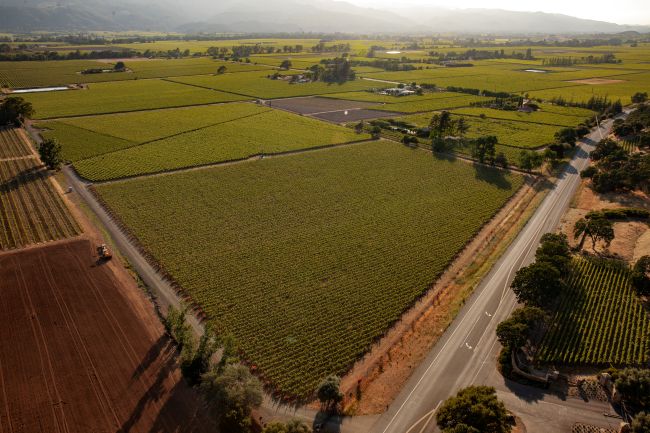
Understanding sub-AVA differences is one of the most useful tools for choosing the right bottle. An AVA, or American Viticultural Area, is a legally defined grape-growing region with specific geography, climate, and soils that can shape how wines taste and age. In Napa Valley, these differences can be dramatic.
Valley-floor and benchland AVAs like Oakville, Rutherford, and Stags Leap District can suit both near-term drinkers and those building a cellar. Mountain AVAs such as Howell Mountain and Mt. Veeder often reward patience, revealing their depth and complexity only after years in the bottle.
Choosing by Vintage: How to Read a Napa Cabernet Harvest Chart
Vintage variation plays a meaningful role in Napa Cabernet Sauvignon. The 2021 vintage is widely respected for structure and aging potential; 2023 is also drawing strong attention for quality, following a long, cool growing season with extended hang time. Some years bring heat events that can soften structure, while others deliver balanced growing seasons with precise, well-defined wines. Wildfire-affected years may also require closer producer-by-producer research, since some wineries chose not to bottle certain wines.
To use a vintage chart effectively, check the overall assessment for Napa Valley Cabernet, review harvest notes for weather events, and match the vintage style to your goal. Warm years can produce softer, earlier-drinking wines; cooler or more balanced years often build structure for aging. Always cross-reference the producer, since strong estates can outperform a vintage’s general reputation.
Balancing Price and Quality: Napa Cabernet by Tier
Napa Cabernet spans a wide price range, from accessible regional bottlings to limited-production collector wines. Knowing the tiers helps identify quality and occasion fit without assuming price alone tells the whole story.
Price reflects vineyard source, production scale, barrel regimen, reputation, vintage, and availability — but taste and occasion should guide the final decision. At Pine Ridge, visitors can experience Cabernet Sauvignon across Napa Valley appellations, from the approachable Napa Valley Cabernet Sauvignon to the focused Stags Leap District wines that anchor the estate’s story.
How to Select a Napa Cabernet for Cellaring or Near-Term Enjoyment
Drinking soon? Choose round, polished, fruit-driven wines that are built for approachability. Ghost Block, Caymus, and Pine Ridge Napa Valley Cabernet Sauvignon are good places to start.
Cellaring 5–10 years? Look for structured mid-range wines from balanced vintages. Pine Ridge Napa Valley Cabernet Sauvignon is built to evolve over a decade, while Groth Reserve and other structured Oakville bottlings can also reward time.
Cellaring 10–15 years? Consider Pine Ridge Stags Leap District Cabernet Sauvignon, which combines Stags Leap elegance with the structure to develop over 10–15 years.
Long-term aging, 10–20+ years? Select collector-tier mountain, single-vineyard, or benchmark estate wines from strong vintages. Shafer Hillside Select, Opus One, Mt. Brave, Dominus, Schrader TKS, and Cardinale are built for patient collectors.
Proper cellaring requires a consistent cool temperature, darkness, appropriate humidity, and minimal vibration. Use vintage charts and producer notes to decide which wines to drink now and which to store.
For those who prefer to taste before buying, Pine Ridge’s estate along Silverado Trail offers several tasting experiences, including cave tastings that explore Cabernet Sauvignon across Napa Valley’s renowned growing regions.
Explore Pine Ridge Wines
Pine Ridge’s Cabernet Sauvignon program is anchored in the Stags Leap District and shaped by 160 acres of estate vineyards across Napa Valley’s renowned growing regions. The 2023 Stags Leap District Cabernet Sauvignon offers a focused expression of the estate’s 47 vine-acres in Stags Leap District, while the 2023 Napa Valley Cabernet Sauvignon brings together estate fruit from Stags Leap, Howell Mountain, Oakville, Rutherford, and Carneros with select Napa Valley grower fruit.
Visit the tasting room along Silverado Trail to experience how place, vintage, and cellar decisions shape each wine — or explore the full portfolio through the Pine Ridge shop and Find Our Wines resources.
Frequently Asked Questions
Napa Valley Cabernet Sauvignon benefits from warm days, cool nights, and a diverse mix of volcanic, alluvial, benchland, and mountain soils that produce deeply flavored wines with firm tannins and layered structure. The Stags Leap District, where Pine Ridge is based, adds a specific signature: floral lift, silky texture, and graphite-like minerality that sets it apart from rounder valley-floor styles.
Howell Mountain and Mt. Veeder often produce some of Napa Valley’s most structured, mineral-driven Cabernets, built for 10 to 20+ years of aging. Oakville and Rutherford also age well, often with more plush fruit and broader appeal in youth. The Stags Leap District strikes a balance: structured enough to age, polished enough to enjoy earlier.
For shoppers looking under $100, Pine Ridge Vineyards Napa Valley Cabernet Sauvignon is a strong choice. The 2023 vintage is rated 95 points by Somm Journal and brings together estate fruit from Stags Leap, Howell Mountain, Oakville, Rutherford, and Carneros, along with select Napa Valley grower fruit. It offers polished Napa Valley character, layered dark fruit, spice, and the structure to evolve over a decade.
Each represents a different expression of Napa Cabernet. Opus One is a luxury Cabernet-based benchmark with strong collector recognition. Shafer Hillside Select is a highly collectible Stags Leap District Cabernet known for power and polish. Caymus is widely recognized for a plush, ripe, fruit-forward Napa style. Pine Ridge offers a refined Stags Leap District expression rooted in estate vineyards, along with a Napa Valley Cabernet Sauvignon that brings multi-appellation depth and under-$100 accessibility.
Napa Cabernet pairs naturally with grilled meats, braised short ribs, aged cheeses, and earthy mushroom dishes. Structured mountain Cabernets hold up well against rich sauces and wild game. Stags Leap District Cabernets, with their floral lift and silky tannins, work especially well with herb-roasted lamb, duck breast, grilled portobello, and dishes with savory herbs or a touch of acidity.
Price reflects vineyard reputation and location, AVA prestige, production scale, farming costs, barrel aging, critical recognition, vintage quality, and scarcity. Single-vineyard collector wines from renowned sites usually command the highest prices. Broader Napa Valley and sub-AVA estate bottlings can offer a more approachable path to defined Napa character.
Vintage charts summarize each harvest’s weather and the resulting wine style, helping buyers decide which bottles are ready to drink now and which need more time. Warm years often yield softer, earlier-drinking wines, while cooler or balanced years can produce more structured wines with greater aging potential. Always cross-reference the producer, since careful farming and winemaking can shape quality beyond the vintage’s general reputation.
Yes. Stags Leap District Cabernet Sauvignon is often prized because it can balance refined tannins with real structure. Pine Ridge’s 2023 Stags Leap District Cabernet Sauvignon is cellar-worthy for 10–15 years, while still offering enough polish and fruit expression to enjoy with proper decanting.
Pine Ridge Vineyards is located at 5901 Silverado Trail in the heart of the Stags Leap District. Guests can explore the estate through seated tastings and cave experiences, including Cabernet-focused tastings that showcase the range and elegance of Pine Ridge wines. Reservations are recommended, and current availability should be confirmed through the Pine Ridge Visit page.