Why Would a Napa Winery Tear Out Cabernet Vines on Purpose?
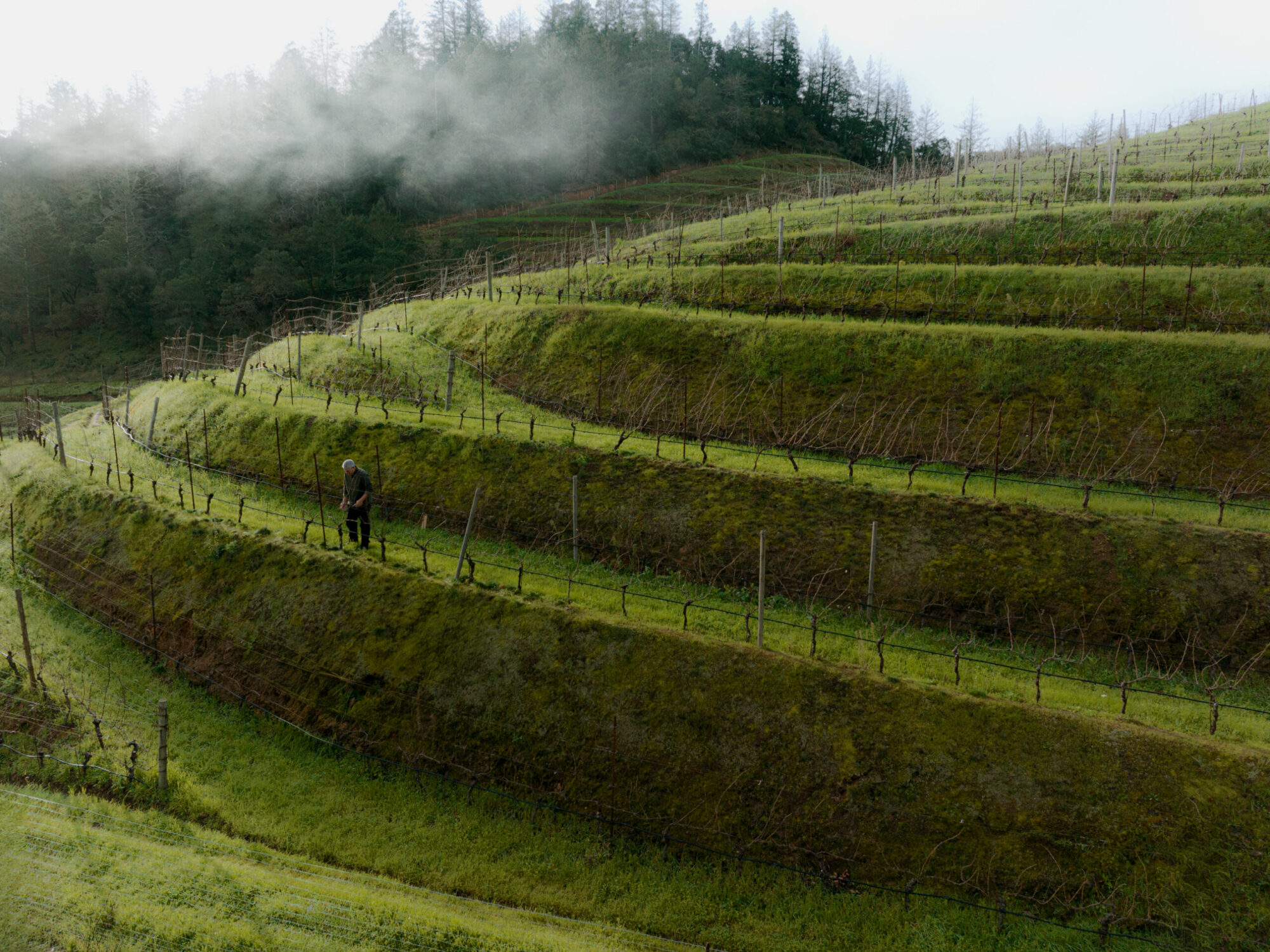
You may have seen the headlines about California vineyards being ripped out—and even burned. But in Napa Valley, seeing vines come out of the ground doesn’t always mean what you think. Sometimes, it can be the beginning of what comes next.
A recent New York Times article carried a headline that was difficult to ignore:
“Sales Are So Low, California Wineries Are Burning Their Vineyards.”
It is the kind of headline that makes even a casual wine drinker stop and wonder: Why would a winery destroy the vines it needs to make wine?
There is a serious story behind the vineyard removals happening across California. The California Association of Winegrape Growers’ 2025 California Vineyard Mapping Project found 38,134 acres of winegrape vineyards were removed between October 2024 and August 2025.
But that number cannot tell you why every individual vineyard came out.
There are many reasons a grower might remove vines, and at Pine Ridge Vineyards, we would not presume to know another vineyard’s circumstances simply by looking at a cleared field or a pile of old vine wood.
What we can explain is something we know from farming our own estate vineyards:
Taking vines out of the ground does not always mean a vineyard is disappearing. Sometimes, it means the vineyard is being prepared for its next generation.
Quick Answer: Why Would a Napa Winery Remove Cabernet Vines?
A Napa vineyard may be removed as part of a planned replant. Replanting gives a vineyard team the opportunity to reconsider vine health, plant material, rootstock, clone, spacing, trellising, irrigation and other decisions based on what they have learned from farming that particular site. The existing vines come out first, the land is prepared, and new vines are planted for the years—and potentially decades—ahead.
What Does It Mean to Replant a Vineyard?
Wine drinkers spend a lot of time talking about vintages.
Winegrowers have to think in decades.
A vineyard is a living agricultural system. It is not planted once and expected to remain unchanged forever.
Vines age. Disease and pest pressures can emerge. Farming practices evolve. And a vineyard team learns more about a site with every season it spends working there.
A rootstock that made sense decades ago may not be the choice a team would make today. Vine spacing, irrigation and trellising decisions can be reconsidered. Years of observing how different parts of a vineyard respond to soil, sun, wind and weather can reveal things that were not apparent when the original vines went into the ground.
Eventually, a team may decide that the best way forward is to remove an existing block, prepare the site and establish it again.
That process is called replanting.
Current Napa Valley Grapegrowers vineyard-replanting guidance describes replanting as a major long-term investment that can be driven by factors including vine health, site performance, disease pressure and opportunities to improve vineyard design.
A University of California Cooperative Extension Napa Cabernet Sauvignon vineyard-establishment study also illustrates the physical process: an existing vineyard is removed, the site is prepared, new Cabernet Sauvignon vines are planted and the young vineyard begins producing fruit several years later.
So when you pass a vineyard being pulled, there is one useful thing to remember:
Removal tells you what is happening today. It does not necessarily tell you what the land is being prepared for next.
Why Would Pine Ridge Ever Replant Cabernet Sauvignon?
Cabernet Sauvignon is at the heart of Pine Ridge Vineyards.
Our story began with its pursuit in 1978 in what is now the Stags Leap District. Today, Pine Ridge farms approximately 160 acres of estate vineyards across five Napa Valley appellations, including 47 estate acres in our home appellation of Stags Leap District.
For readers curious about how those sites differ, our Pine Ridge estate vineyards offer a closer look at the individual places behind the wines.
Commitment to Cabernet, however, does not mean assuming every Cabernet vine should remain exactly as it is forever.
For Pine Ridge Estate Winemaker Josh Widaman, vineyard decisions begin with a much longer view.
“Pulling vines is not a sign that something has gone wrong—it is often a sign that we are taking the long view,” Josh says. “Every block has its own story, and sometimes the best way to honor that site is to start again with better plant material, better spacing, or a better understanding of what that piece of ground is capable of giving us.”
A replant gives our vineyard and winemaking teams an opportunity to look closely at a site again.
That can mean evaluating vine health and what is happening below ground. It can mean reconsidering the rootstock, the root system onto which Cabernet is grafted; the clone, or particular selection of Cabernet Sauvignon; spacing between vines; irrigation; and the trellis system that supports the vines and their canopy.
Those decisions can sound technical. Their purpose is much simpler: to make thoughtful choices based on what years of farming have taught us about that particular place.
Josh describes his winemaking philosophy as becoming deeply familiar with each vineyard site, then using the distinct attributes of each lot to build the most seamless expression of the vintage. That philosophy is also reflected in Pine Ridge’s broader winemaking approach, which focuses on preserving the individuality of appellations, vineyards and varieties.
Replanting is part of that same thinking.
It is vineyard work in service of future wines.
Can Replanting Change How You Understand a Vineyard?
It can.
A replant asks a vineyard and winemaking team to look at familiar ground with fresh eyes.
“You may have an idea of what a vineyard has been, but new vine material and renewed farming choices ask you to look again—at the soil, the exposure, the way the fruit ripens, and how the tannins develop,” Josh says.
Pine Ridge has seen that process extend beyond Cabernet Sauvignon.
In Carneros, one estate block now planted to Cabernet Franc was previously home to Chardonnay. The combination of the site’s clay soils, selected plant material and cooling influence from nearby San Pablo Bay has given our team a new perspective on what that piece of ground can express.
For Josh, the lesson reaches beyond any one variety.
“Replanting is not about erasing a vineyard’s identity,” he says. “It is about giving that identity a clearer voice.”
That does not mean every vineyard should change.
Old vines can be extraordinary. Age alone is not a reason to remove them.
But old and healthy, well-matched to their site and capable of producing the wine you want to make are not always the same thing.
Vineyard preparation may also require addressing what remains underground after old vines are removed. Napa Valley Grapegrowers’ current replanting guidance recommends removing as much old root material as practical because remaining roots can act as reservoirs for certain vineyard pests and diseases.
Sometimes caring for a vineyard means preserving what is there.
Sometimes it means being willing to look again.

Why Are Removed Grapevines Sometimes Burned?
This is the part that can look especially dramatic from the road—and in a headline.
Agricultural burning does not necessarily mean rows of living Cabernet Sauvignon are simply being set on fire.
In a vineyard removal, the vines are first taken out of the ground. What remains may include old trunks, canes, roots and other vineyard material that then has to be managed.
Historically, burning has been one method used during vineyard site preparation. The UC Cooperative Extension Napa County study, for example, describes old grapevines being removed, stacked and burned before a new Cabernet vineyard is established.
But burning is not the only option.
Napa County’s current agricultural-burn guidance identifies alternatives for vineyard-removal debris that include chipping or grinding plant material for incorporation into the soil, composting it, or transporting the material to an appropriate facility.
When agricultural burning is used, it is regulated. The Bay Area Air District’s open-burning guidance explains that most open burning is prohibited in the Bay Area, while certain agricultural and natural-resource burns are allowed only under defined conditions, seasons and notification requirements.
In other words, seeing a pile of old vine wood does not tell you the whole story.
It does not tell you why the vineyard was removed.
It does not necessarily tell you how the material will be handled.
And it certainly does not tell you what may eventually be planted there.
It is one visible moment in a much longer agricultural process.
What Happens After a Cabernet Vineyard Is Replanted?
This may be the least dramatic—and most important—part of the story.
There is no instant vineyard.
After new vines go into the ground, their roots have to establish. Young vines have to be trained. The vineyard develops season by season before it can begin producing meaningful fruit.
In the UC Cooperative Extension Napa Cabernet model, vines begin yielding fruit in their third year. That timeline is a useful model rather than a rule for every vineyard, but it illustrates just how far removed the decision to plant can be from the wine that eventually reaches a bottle.
And even then, the answers do not come all at once.
How does a particular rootstock respond to this soil?
How does the canopy behave in this exposure?
How evenly does the Cabernet ripen?
How does the fruit change as the vines establish themselves?
What will those choices eventually mean in the glass?
For Josh, planting Cabernet today requires accepting that some of those answers may be years away.
“Planting Cabernet today is an act of patience and belief,” he says. “You do it because the best wines we make are rooted in decisions that often won’t be fully understood for many years.”
The goal at Pine Ridge is not simply to make Cabernet that is rich or powerful. It is to pursue wines with balance, elegance and a clear sense of origin.
And a newly planted vineyard needs time before it can reveal what that origin might become.
As Josh puts it:
“A young vineyard asks you to listen before it gives you answers.”
That may be the most important difference between what someone sees from the road and what a winegrower sees.
One sees vines coming out.
The other is already thinking about what that ground might give to a future vintage.
Why Make Vineyard Decisions for Wines That May Be Years Away?
Because some of the most consequential decisions in wine happen long before there is a bottle to open.
Josh often thinks about wine from a generational perspective: the possibility that a person may one day experience a wine shaped by vineyard decisions made years—or even decades—before they encounter it.
Many of the wines that leave the deepest impression on us exist because someone made thoughtful decisions knowing they might never be the person who ultimately experiences the result at its fullest.
That perspective changes the scale of a replant.
It is no longer simply about what is being removed this season.
It becomes a question of what kind of vineyard the next team will inherit, what wines that vineyard might eventually produce and what a future wine drinker might experience because of choices being made today.
Pulling vines can happen quickly. Rebuilding a vineyard requires patience.
When you measure time in quarters, taking vineyard land out of production can seem counterintuitive.
When you measure it in generations, the decision can look very different.
Does Seeing Vines Removed Mean the Vineyard Is Going Away?
Not necessarily.
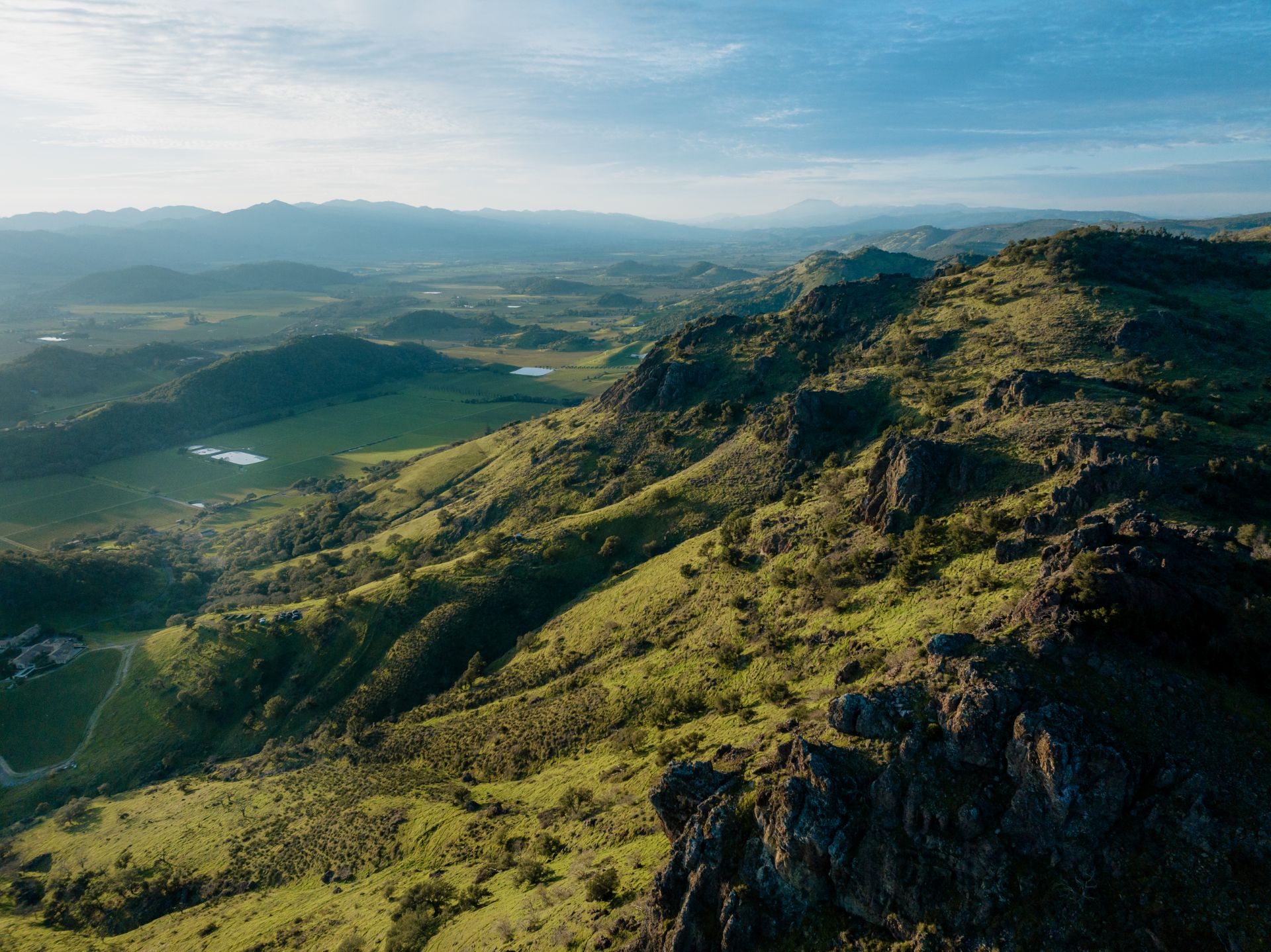
California wine is going through a period of meaningful change, and recent vineyard removals are part of that larger story. The scale documented by California’s vineyard-mapping data is significant.
But from outside a vineyard, you often cannot know why a particular block was removed.
It could involve economics. It could involve vine health or disease pressure. It could be a planned replant. It could reflect another decision specific to that property.
Pine Ridge does not need to assign a story to someone else’s vineyard.
What we can share is what we have learned from farming our own estate: vineyards require attention over long stretches of time. They change. Our understanding of them changes. And occasionally, caring for a piece of land means having the confidence to begin again.
The Vineyard After the Vineyard
There is something almost counterintuitive about winegrowing.
We celebrate permanence: historic estates, familiar hillsides, old cellars and bottles capable of aging for decades.
But farming itself is never static.
Every season asks something different of a vineyard. Every year spent farming a site adds another layer of understanding. And some of the choices made today are intended for people we may never meet, opening wines that do not yet exist.
So if you drive through Napa Valley and see vines coming out of the ground, it is fair to wonder what you are witnessing.
The answer may be difficult.
It may be practical.
It may be the beginning of a carefully considered replant.
The view from the road cannot tell you which.
But it can invite a better question.
Instead of only asking:
“Why are those vines coming out?”
Consider asking:
“What will grow there next?”
At Pine Ridge, that is the part of the story that keeps us looking forward.
You might be watching the next chapter take root.