Napa Valley Field Guide
The Definitive Napa Valley Wine Tasting Planner for First-Time Visitors
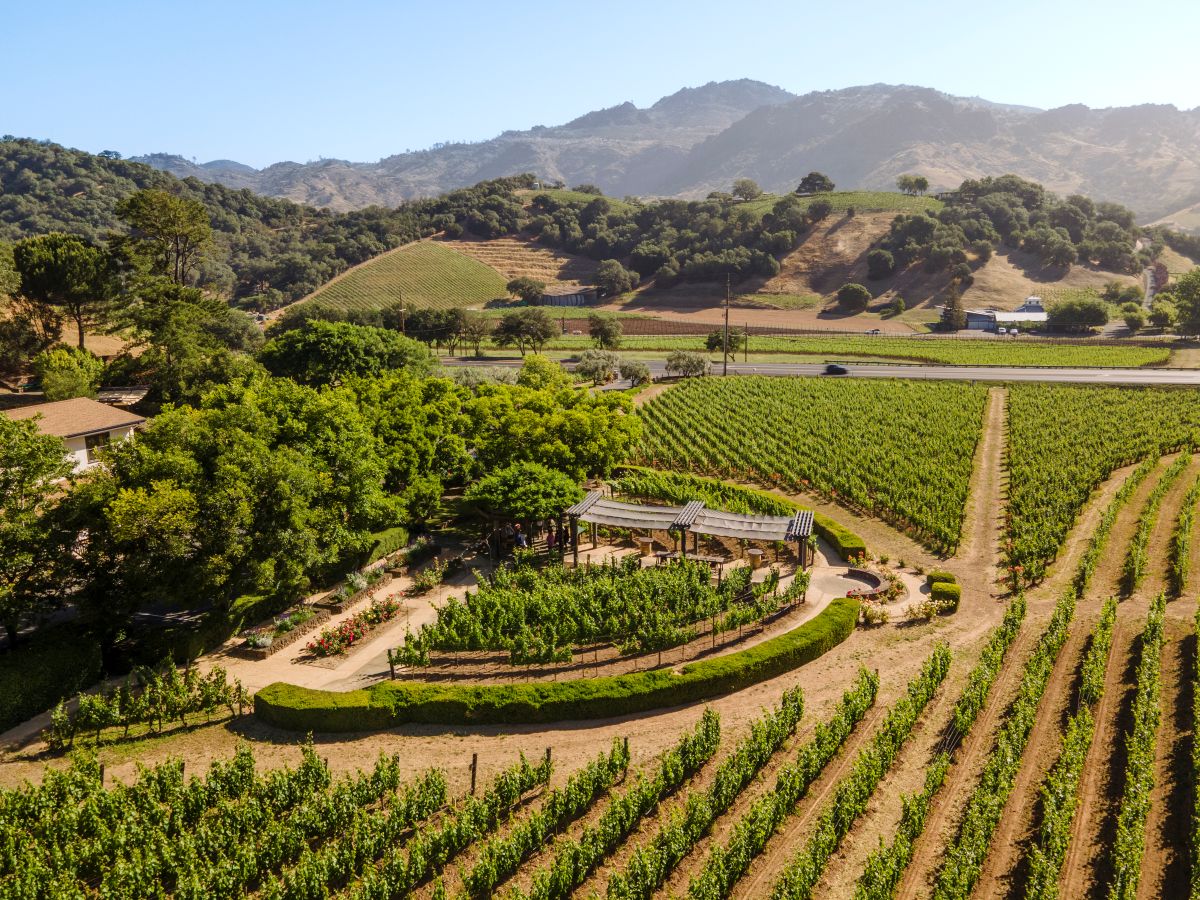
Everything you need to know to plan a confident, unhurried first trip through one of the world’s great wine regions
Planning your first Napa Valley wine trip can feel daunting given its 400-plus wineries and 30 miles of possibilities. But with a thoughtful itinerary, you can savor bold reds, elegant whites, and the region’s gorgeous landscapes without rush or fatigue. This guide distills everything a first-time visitor needs to know—from selecting your base town and booking tastings to transportation, etiquette, and budgeting. Along the way, we spotlight Pine Ridge Vineyards’ immersive cave experiences in the Stags Leap District—an essential stop for anyone seeking an educational, place-driven introduction to Napa Valley winemaking.
Choosing Your Napa Valley Base Location
Your base town shapes the rhythm and character of your wine country stay. Napa Valley runs roughly 30 miles north to south and is anchored by five well-known communities—Napa, Yountville, Rutherford, St. Helena, and Calistoga. Each has its own charm and proximity benefits.
Napa: The largest and most urban hub, known for upscale hotels, the Oxbow Public Market, and quick freeway access.
Yountville: Culinary epicenter, filled with Michelin-starred dining and walkable tasting rooms.
Rutherford: Quiet and central, great for access to iconic Cabernet Sauvignon houses.
St. Helena: Classic main-street charm, elegant shops, and historical wineries.
Calistoga: End-of-valley relaxation with hot springs and a laid-back pace.
For convenience, choose a base near your top winery interests—whether that’s outdoor tastings, cave tours, or guided food pairings—so you can explore efficiently. Yountville or Rutherford offer ideal middle-ground locations for first-timers seeking a balance of access and tranquility.
Clustering Wineries by Region for Efficient Travel
Napa Valley isn’t large, but travel times add up quickly. The smartest strategy is to organize your tastings by area or AVA, avoiding unnecessary backtracking.
An AVA (American Viticultural Area) is a federally recognized grape-growing region defined by unique soils, topography, and microclimates. Napa Valley has 17 nested AVAs, each with signature varieties—from the cool Carneros Chardonnay vineyards to the Cabernet Sauvignon of the Stags Leap District.
Cabernet Sauvignon
Pine Ridge Vineyards’ cave experiences
Chardonnay, Pinot Noir
Morning sparkling tastings
Bold reds, valley-floor estates
Seated tastings with views
Old-vine Zinfandel, relaxed vibe
Small, family-owned wineries
Clustering tastings this way ensures you spend more time savoring and less time driving.
Booking Tastings and Making Reservations
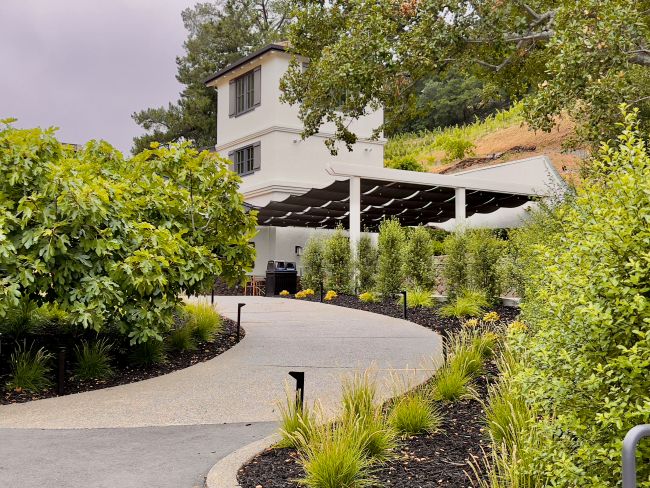
For first-time visitors, it’s best to assume a reservation is required, especially for seated or educational tastings. Plan to book two to three weeks in advance, and longer if you’re visiting during harvest or weekends.
Seated tastings typically last 60–90 minutes and may feature curated flights of four to six wines. For specialized experiences such as cave tastings or chef-led pairings, book even earlier and confirm cancellation policies before paying fees.
To explore Pine Ridge Vineyards’ cave experiences, including the Cellar 47 Cave Tour & Tasting, booking directly through the winery’s Visit page ensures access to the most current availability and experience details.
Setting the Right Pace: How Many Tastings Per Day
A relaxed schedule helps you absorb each winery’s story and craftsmanship. Plan two or three tastings per day—no more. This balance keeps the day enjoyable and your palate sharp.
Morning tasting of whites or sparkling
Start light to ease into the day
Leisurely lunch
Hydrate and reset palate
Second tasting — reds or blends
Dive deeper into bold varietals
Optional third tasting or scenic stroll
End on a reflective note
This pacing allows time for meals, travel, and unplanned discoveries—key to the relaxed Napa rhythm.
Safe and Stress-Free Transportation Options
Responsible transportation transforms your day from stressful to seamless. Public transportation isn’t practical for winery-to-winery travel, so plan ahead or secure a driver for worry-free exploring.
$400–$600/day
Comfortable, flexible, professional
Best for groups
Variable
Cost-effective
One person abstains
$200–$300/person
Curated routes, social
Limited customization
Per ride
Works in town centers
Spotty coverage in rural AVAs
Planning Meals and Managing Tasting Etiquette
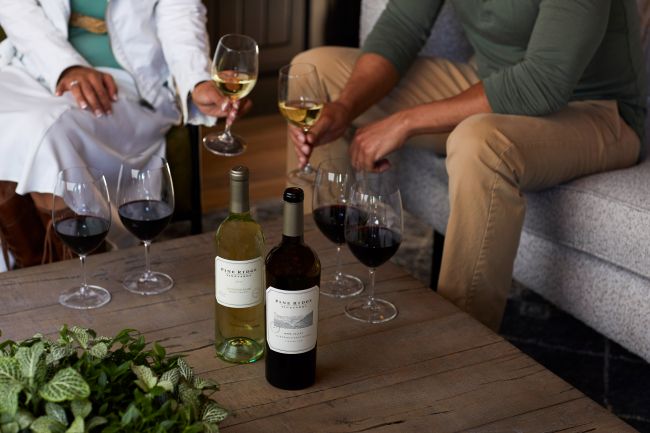
Good wine tasting pairs naturally with good pacing and nourishment. Start your day with a hearty breakfast and schedule a mid-day lunch—spots like Napa’s Oxbow Public Market or Yountville’s bistros are convenient and satisfying.
Wine tasting etiquette essentials:
- Use the spittoon to manage intake and maintain clarity.
- Engage with hosts—ask about vineyard soils, vintages, or cellar techniques.
- Hold glassware by the stem, and respect personal space at tasting bars.
- Hydrate throughout the day; carry a water bottle in the car.
Balanced meals and mindful manners elevate both enjoyment and awareness.
Adding an Elevated Experience: Cave Tours and Food Pairings
Beyond standard tastings, Napa Valley’s hallmark experiences include cave tours, where guests sample wines in cool underground settings that deepen appreciation for aging and place.
At Pine Ridge Vineyards, guests are invited into its dramatic cave network through the Cellar 47 Cave Tour & Tasting—a guided tour of the underground cave system followed by a seated tasting centered on highly limited Stags Leap District estate Cabernet Sauvignons.
Other elevated options include vineyard walks, curated food pairings, and blending seminars. These opportunities can book well ahead, especially on weekends and during peak travel periods, but they often deliver some of Napa Valley’s most memorable moments.
Packing Essentials and What to Wear
Napa Valley’s style is relaxed yet refined. Jeans and neat casual wear are perfectly appropriate, especially paired with a crisp shirt or sundress. Comfort comes first—you’ll spend much of the day on your feet.
Suggested packing list:
- Layers (mornings and caves can be cool)
- Comfortable walking shoes
- Sunglasses, hat, SPF
- Notebook or tasting journal
- Reusable water bottle
- Compact tote for wine purchases
Budgeting Your Napa Valley Wine Tasting Trip
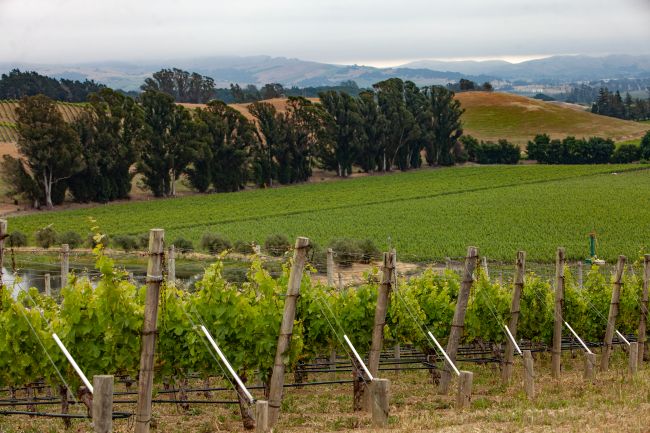
Tasting fees in Napa Valley vary, reflecting each experience’s scope and setting.
$40–$60
Basic flights
$80–$125
Seated, elevated format
$100–$200
Multi-course or chef-led
$400–$600
Per day
$25–$100+
Depends on venue
$50–$300+
Many waive tasting fee with purchase
Planning ahead helps you stay within budget while leaving room for a distinctive cave tasting or single-vineyard Cabernet to bring home from Pine Ridge Vineyards.
Sample One-Day Wine Tasting Itinerary Featuring Pine Ridge Vineyards
A well-orchestrated Napa day balances variety, rest, and one memorable centerpiece.
Morning tasting of sparkling or Chardonnay
Carneros region
Lunch at a Yountville bistro
Yountville
Stags Leap District
Scenic drive or stop at a market for local treats
Downtown Napa
This itinerary blends diverse terroirs and concludes with Pine Ridge’s immersive caves—an ideal introduction to the artistry, hospitality, and sense of place that define Napa Valley.
Frequently Asked Questions
Reserve two to three weeks ahead for most wineries; longer for weekends or limited experiences such as Pine Ridge Vineyards’ cave tours.
Limit yourself to two or three tastings per day and include time for meals and travel between stops.
Use the spittoon, hydrate between pours, and maintain a measured pace throughout the day.
Choose comfortable, layered attire and shoes suitable for walking or exploring winery caves.
Cancellation policies vary by winery and experience, so review the terms before confirming your reservation.