Napa Valley Field Guide
Napa Valley AVAs Explained
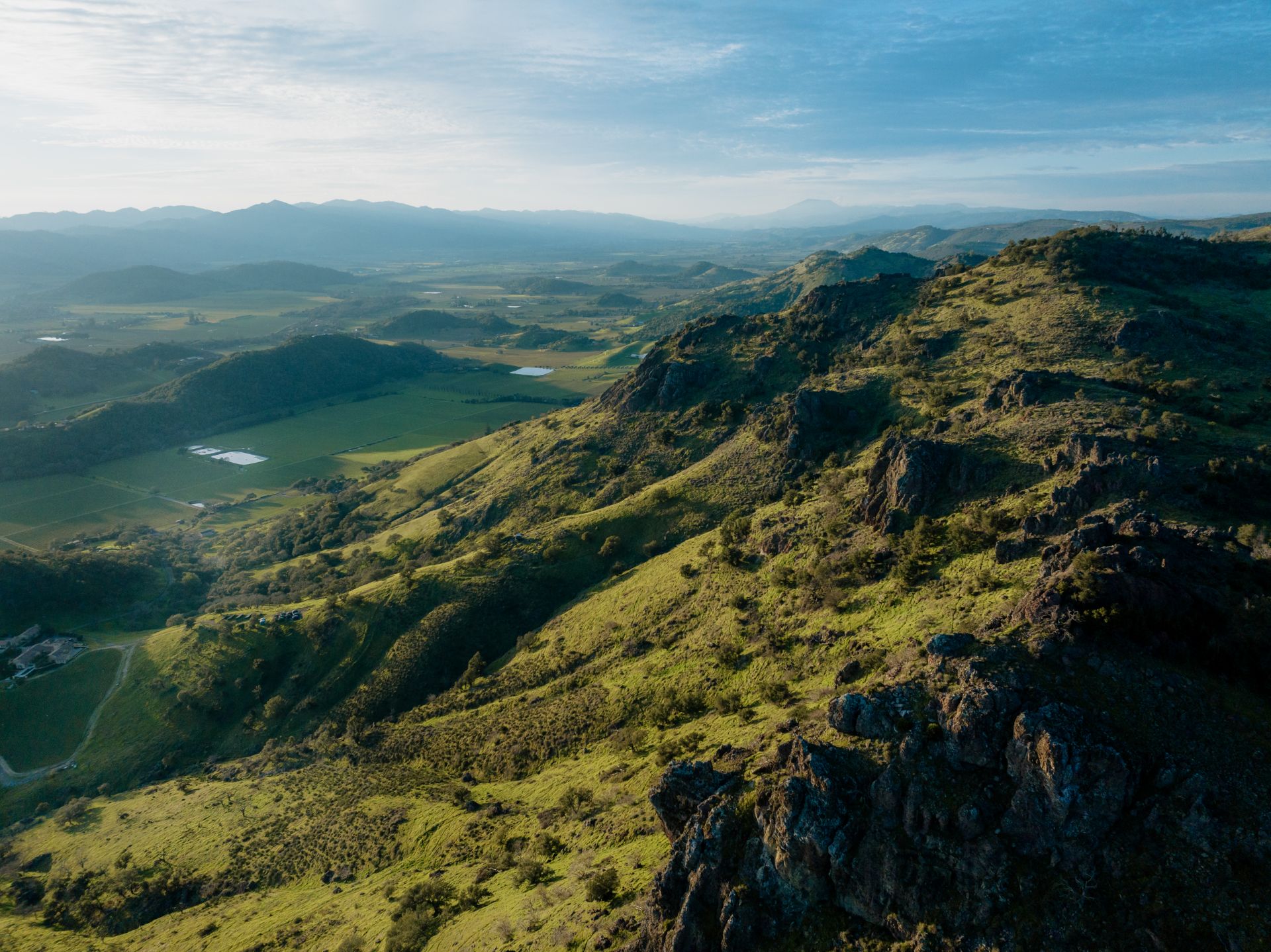
Pick up two bottles of Napa Valley Cabernet Sauvignon, open them side by side, and you may be surprised to find they taste like they come from entirely different places. One might be plush and fruit-forward, the other more mineral and structured. One silky and immediately approachable, another gripping and built for a decade in the cellar. Both are Napa Cabernet Sauvignon. Both are made from the same grape. So what explains the difference?
Most of the time, the answer is hiding right on the label: the AVA.
In Napa Valley, an AVA tells you more than where a wine is from. It offers clues about climate, elevation, soils, and style — all of which can help you choose a Cabernet Sauvignon that matches your taste.
What Is an AVA?
AVA stands for American Viticultural Area, a federally recognized wine-growing region defined by specific geographic and climatic characteristics. In the United States, the Alcohol and Tobacco Tax and Trade Bureau, or TTB, grants AVA status to regions that can demonstrate distinctiveness: unique soils, topography, elevation, climate, or other features that set them apart from surrounding areas.
The key thing to understand is that an AVA is not a brand or a quality tier. It’s a geographic origin statement, a legally defined answer to the question: where exactly did these grapes grow?
If a bottle says “Stags Leap District” on the label, at least 85% of the grapes must come from that specific AVA. That rule exists because place matters, and AVA designations are one of the clearest ways the wine world communicates that sense of place.
Why Does Napa Have So Many Nested AVAs?
Napa Valley itself is an AVA, stretching roughly 30 miles from the cooler, bay-influenced south to the warmer northern reaches around Calistoga. But within those 30 miles lies an extraordinary range of growing conditions. The valley floor, the mountain slopes, the southern fog-influenced reaches, the protected interior pockets: they don’t all behave like the same place, because they aren’t.
Think of it like a city. “San Francisco” tells you something meaningful. But “the Mission,” “the Sunset,” and “Pacific Heights” tell you something more specific, because those neighborhoods have genuinely different characters. Napa’s 17 nested AVAs work the same way. Each one carves out a particular patch of geography with its own climate fingerprint, soil type, and style of wine those conditions tend to produce.
The Three Forces That Shape Every Glass
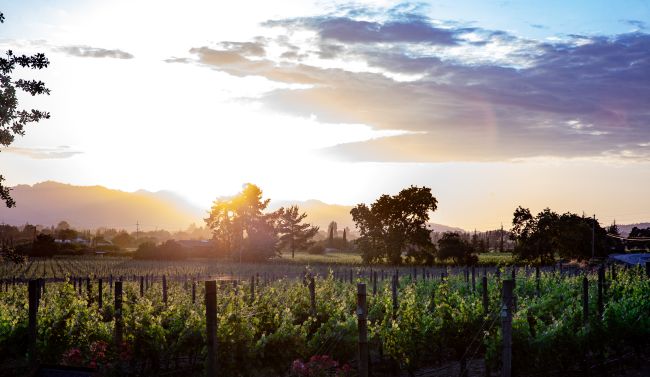
Three factors — climate, elevation, and soils — are among the most important forces shaping what ends up in your glass.
Climate determines ripeness and freshness. Cooler growing conditions, often influenced by fog, wind, or lower temperatures during ripening, tend to preserve natural acidity and produce wines with brighter fruit, more structure, and leaner profiles. Warmer conditions encourage full ripeness, richer fruit, and softer tannins. In Napa Valley, the southern portion of the valley generally feels more influence from San Pablo Bay, while many northern and protected inland areas experience warmer growing conditions.
Elevation changes how vines experience sunlight, wind, fog, soil depth, and drainage. In Napa’s mountain and hillside AVAs, thinner, lower-fertility soils and more exposed growing conditions often lead to smaller berries, concentrated flavors, firm tannins, and wines with notable structure. The effect is not simply “cooler equals higher”; each mountain site has its own balance of sun, fog, wind, and nighttime temperature.
Soils influence texture, concentration, and how the vine behaves. Rocky, low-fertility soils such as volcanic or gravelly loam can stress the vine in productive ways: lower yields, smaller berries, and more concentrated flavors. Deeper, more fertile soils can produce more generous crops and often rounder, more immediately accessible wines. Volcanic soils, in particular, are often associated with a savory, stony quality that many wine lovers find compelling.
A Quick Tour of Napa’s Key Cabernet AVAs
Stags Leap District sits in the southeastern part of the valley, shaped by dramatic palisades, rocky soils, and cooling influences from the south. Cabernet Sauvignon from this AVA is known for a signature balance of power and refinement: dark fruit, polished tannins, and a mineral edge that can read as graphite, slate, or crushed stone. It’s a wine of contrasts: structured yet graceful, generous yet precise.
Rutherford occupies the central valley floor and is renowned for deep, well-draining soils that help produce Cabernet Sauvignon with generous fruit, supple structure, and earthy depth. The phrase “Rutherford dust” is often used to describe the dry, loamy character that can appear on the finish of wines from this part of the valley.
Oakville, just south of Rutherford, is one of Napa’s most celebrated Cabernet Sauvignon AVAs. Its warm mid-valley position produces wines with richness, concentration, dark fruit, and broad, well-integrated tannins. Oakville Cabernet Sauvignon often feels powerful and layered, with a ripe core balanced by structure and depth.
Howell Mountain rises above the valley floor on the eastern side of Napa Valley. With higher elevation, shallow volcanic soils, strong drainage, and a demanding growing environment, Howell Mountain Cabernet Sauvignon is known for density, firm tannins, vibrant acidity, and long aging potential. These are wines that reward patience.
Napa Cabernet AVA Comparison
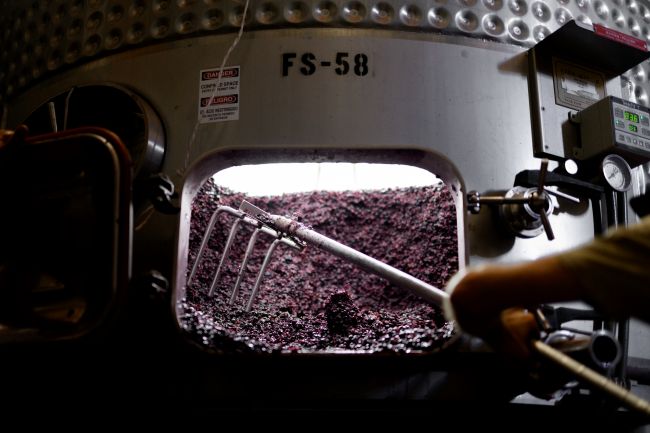
One Winery, Four Appellations: The Pine Ridge Napa Valley Wine Series
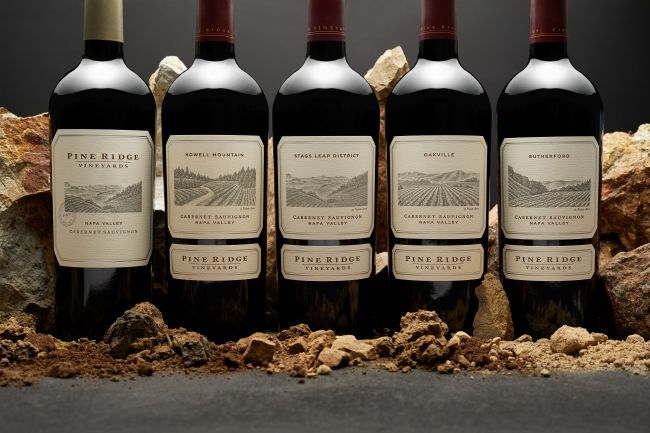
One of the most instructive ways to understand how AVA differences actually show up in the glass is to find a winery working with multiple appellations and taste them side by side. Pine Ridge Vineyards, founded in 1978 in the Stags Leap District, offers exactly that kind of comparison through its Napa Valley Wine Series: Cabernet Sauvignons from distinctive Napa Valley appellations, crafted with a shared house philosophy.
In a tasting of the Pine Ridge Napa Valley Wine Series, these differences become tangible. Stags Leap District leans into polished structure, dark fruit, and volcanic minerality. Rutherford shows generous fruit, supple texture, and earthy depth. Oakville offers richness, concentration, and broad tannin. Howell Mountain brings mountain-grown intensity, firm structure, and cellar-worthy depth.
Same winery. Same grape. A shared point of view. Four distinct expressions of Napa Valley Cabernet Sauvignon, each shaped by the land it comes from.
Match an AVA to Your Taste
Once you understand what different AVAs tend to produce, you can start using that knowledge to shop more intentionally.
If you enjoy wines that are approachable now, with generous fruit and rounded tannins, look toward Rutherford or Oakville, where valley floor conditions often produce riper, more immediately accessible Cabernet Sauvignon.
If you prefer wines with more structure, mineral character, and elegance — wines that feel precise and layered rather than purely plush — the Stags Leap District is a natural starting point.
If you’re buying to cellar, or if you love the grip and intensity of mountain-grown wine, Howell Mountain rewards patience and delivers a kind of density you won’t find on the valley floor.
For those newer to Napa Cabernet Sauvignon, Rutherford can be a generous, welcoming starting point. For collectors and those who love complexity that unfolds over years, mountain AVAs like Howell Mountain offer a compelling destination.
How to Read a Napa Wine Label More Confidently
A few practical tips for your next trip to the wine shop:
Broader means more flexible; specific means more place-driven.
A bottle labeled simply “Napa Valley” can source grapes from anywhere in the appellation. A bottle labeled “Stags Leap District” or “Howell Mountain” is making a more specific geographic claim and is more likely to reflect the distinct character of that place.
The AVA is often one of the most useful lines on the label.
More than a poetic back-label description, the appellation gives you a practical clue about what style to expect.
When in doubt, ask.
Wine shop staff and restaurant sommeliers are usually happy to walk you through AVA differences, especially at shops that focus on California wine. Pointing to the appellation on the label and asking, “What does this region tend to taste like?” is a simple way to learn quickly.
Use AVA names as a starting point, not a guarantee.
Individual winemaking choices — oak aging, harvest timing, blending, and cellar decisions — can shape the final wine. But knowing the AVA gives you a useful baseline expectation.
Let the Land Guide You
Napa Valley produces some of the most geographically expressive Cabernet Sauvignon in the world, and the AVA system is the map that helps you navigate it. The more you understand how place shapes style — how volcanic palisades, gravel soils, mountain elevation, and bay-influenced fog each leave their mark — the more confident and curious a wine buyer you become.
The AVA on the label isn’t fine print. It’s an invitation to pay attention to where you are.
Explore the Pine Ridge Napa Valley Wine Series to taste Napa’s appellations side by side, from the volcanic minerality of Stags Leap District to the mountain intensity of Howell Mountain. Or experience these distinctions firsthand with a visit to our Stags Leap District estate.
Frequently Asked Questions About Napa Valley AVAs
Napa Valley is itself an AVA, and it contains 17 nested AVAs. Each one is defined by distinct geography, climate, elevation, soils, or growing conditions.
AVA stands for American Viticultural Area. On a wine label, it tells you where the grapes were grown and signals a legally defined place of origin.
There is no single “best” Napa AVA for Cabernet Sauvignon. Each appellation expresses the grape differently. Stags Leap District is known for power with polish, Rutherford for generous fruit and earthy depth, Oakville for richness and concentration, and Howell Mountain for mountain structure and cellar-worthy intensity.
Napa Cabernet Sauvignon can vary widely because each AVA has its own combination of climate, elevation, soils, exposure, and growing conditions. Winemaking choices also matter, but the AVA gives you an important first clue about style.