Food & Drink
How to Pair New York Strip with Napa Valley Cabernet Like a Sommelier
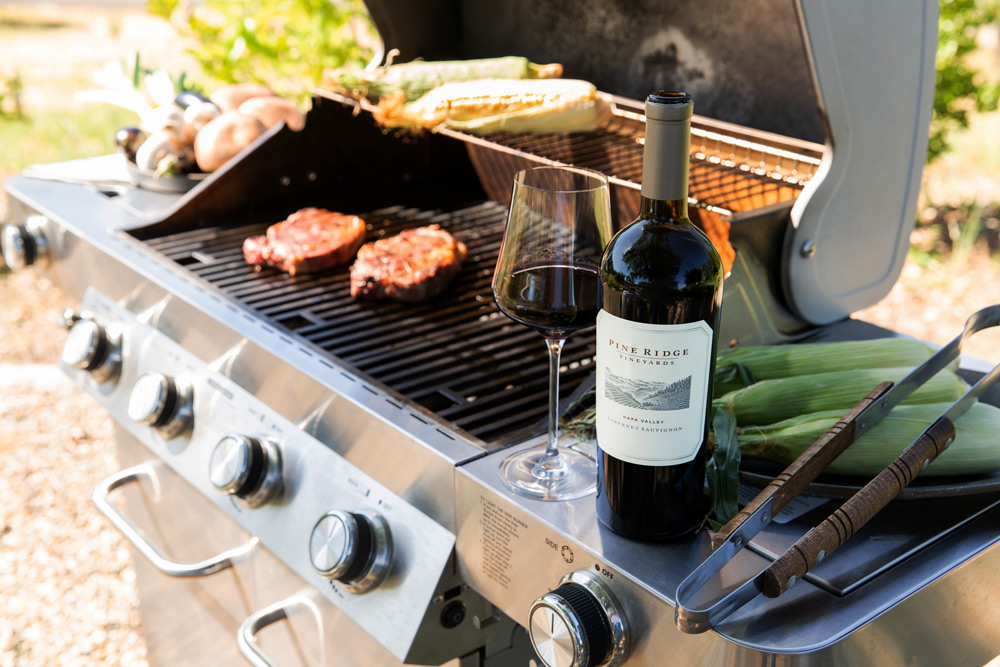
Quick Answer
New York Strip steak is a natural match for full-bodied Napa Valley Cabernet Sauvignon. The steak’s moderate marbling and savory, charred crust help soften a Cabernet’s tannins and draw out its dark-fruit, spice, and savory notes.
For a classic steak dinner at home, Pine Ridge Napa Valley Cabernet Sauvignon offers a polished balance of fruit, acidity, and structure—making it especially well suited to the table.
Few pairings rival the timeless sophistication of a perfectly seared New York Strip steak and a glass of Napa Valley Cabernet Sauvignon. Known for its bold structure, dark fruit, and layered complexity, Napa Cab enhances the rich marbling and savory char of this classic cut. Whether you’re planning an elevated dinner at home or curating a perfect food and wine experience, this pairing delivers the full-bodied decadence Napa is famous for—bite after indulgent bite.
GARLIC HERB BUTTER
-
4 tablespoons unsalted butter, softened
-
1 garlic clove, finely grated
-
1 teaspoon finely chopped rosemary
-
1 teaspoon finely chopped thyme
-
1/2 teaspoon flake salt
-
Fresh cracked black pepper, to taste
STEAK
-
1 bone-in New York Strip steak (1.5–2 inches thick)
-
Kosher salt
-
Freshly ground black pepper
-
1 tablespoon high-heat oil (like avocado or grapeseed)
In a small bowl, mash together butter, garlic, rosemary, thyme, salt, and pepper until smooth. Chill until ready to serve.
Generously season steak with salt and pepper on all sides. Place steak on a wire rack over a baking sheet and let rest at room temperature for 30 minutes.
Preheat oven to 250°F. Cook steak in the oven for 35–45 minutes until internal temp hits 120°F (rare) or 125°F (medium rare). Remove from oven.
Heat oil in a cast iron skillet over high heat. Sear steak for 1–2 minutes per side until deeply caramelized. Use tongs to sear edges.
Let rest 10 minutes before slicing. Top generously with garlic herb butter.
Serves 2. Pairs effortlessly with bold Napa Valley Cabernet Sauvignon and roasted seasonal vegetables or crispy potatoes.
Why Pine Ridge Napa Valley Cabernet Sauvignon?
Pine Ridge Vineyards is rooted in Napa Valley’s Stags Leap District. Pine Ridge Napa Valley Cabernet Sauvignon is a polished, food-friendly expression of the region, with layers of dark fruit and baking spice, bright acidity, and refined tannins.
Those qualities make it a considered choice for New York Strip. The steak’s savory richness meets the wine’s structure, while the seared crust highlights its spice and dark-fruit character.
What Side Dishes Complete the Pairing?
A steak-and-Cabernet dinner is often best with side dishes that bring texture and savory depth without competing with the wine.
Crispy Roasted Potatoes
Golden roasted potatoes bring a satisfying texture and richness that support both the steak and the wine.
Grilled Asparagus
A little char from the grill echoes the steak’s seared exterior and brings freshness to the plate.
Wild Mushrooms
Roasted or sautéed mushrooms add earthy, umami-rich depth that pairs naturally with a structured Cabernet Sauvignon.
Compound Butter Variations
For entertaining, consider roasted garlic butter, blue cheese butter, black pepper herb butter, or truffle butter. Each creates a different expression of richness and savory flavor at the table.
The Final Pour
New York Strip steak and Napa Valley Cabernet Sauvignon have become a classic pairing for good reason. The steak brings savory depth, texture, and richness; the wine brings structure, acidity, and layered fruit.
For an evening built around a generous meal and an unhurried table, Pine Ridge Napa Valley Cabernet Sauvignon offers a polished expression of Napa Valley Cabernet—grounded in place and made to be enjoyed with food.
Frequently Asked Questions
A full-bodied Napa Valley Cabernet Sauvignon is a classic choice for New York Strip steak. Its tannins, acidity, and dark-fruit character complement the steak’s savory flavor and moderate marbling.
The steak’s fat and protein can make Cabernet’s tannins feel rounder, while the wine’s acidity helps keep the pairing balanced from bite to bite. A deeply seared crust can also complement Cabernet’s spice, dark-fruit, and savory notes.
It depends on the experience you prefer. Ribeye offers more marbling and richness, while New York Strip brings a firmer texture and a more moderate level of fat. New York Strip is often a strong choice when you want both the wine and steak to share the table evenly.
Filet mignon is exceptionally tender but leaner than New York Strip. With less richness to meet the wine’s structure, a Cabernet can feel more assertive beside filet. New York Strip offers a more balanced pairing, with enough marbling to soften Cabernet’s tannins while preserving a pronounced beef flavor.
A 30–60 minute decant can help a young, structured Napa Valley Cabernet open aromatically. It is not required, but it can give the wine more room to show its fruit, spice, and savory character.
Cabernet Sauvignon often shows well around 60°F to 65°F. A brief chill can be helpful when indoor temperatures are warmer than usual.
Allow the steak to rest for about 10 minutes before slicing. Resting gives the juices time to redistribute, making the steak easier to slice and more satisfying to serve.
Reverse searing is one of the most reliable ways to cook a thick New York Strip. The method gently brings the steak to temperature before finishing it over high heat, producing an evenly cooked interior and a deeply caramelized crust.
Yes. Grilling can be an excellent choice for New York Strip and Cabernet Sauvignon because the smoke and char complement the wine’s savory and spice-driven notes. The goal is the same: develop a flavorful crust while keeping the interior juicy.
Roasted potatoes, grilled asparagus, wild mushrooms, creamed spinach, and compound butters are all strong choices. Look for earthy, savory preparations that support the wine rather than overwhelm it.
Thoughtful Tips for Serving Cabernet with Steak
Many Cabernet Sauvignons show well around 60°F to 65°F. If your dining room is warm, a brief chill before serving can help keep the wine balanced and aromatic.
A 30–60 minute decant can be useful for a young, structured Cabernet Sauvignon. It gives the wine time to open and allows its fruit, spice, and savory notes to become more expressive.
A large-bowled red wine glass gives Cabernet room to open and makes it easier to appreciate its aromatic detail.
Open or decant the wine while the steak rests. Serving the wine shortly before the meal creates a more natural rhythm at the table.