Food & Drink
How to Open a Wax-Sealed Wine Bottle
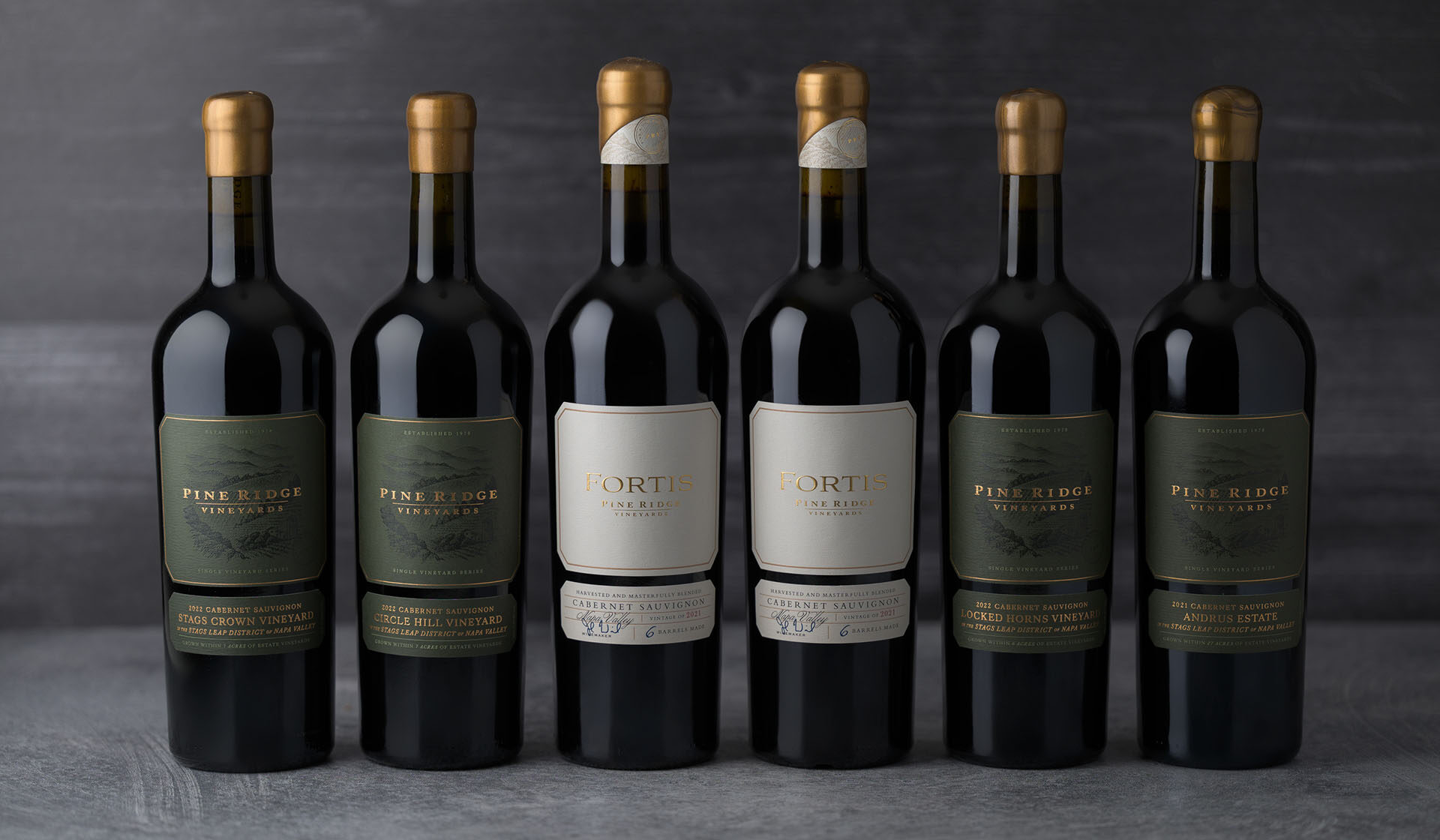
The short answer: Insert a standard waiter’s corkscrew directly through the wax and into the cork, then pull as normal. The cork will carry the wax with it. No cutting, no chipping, no special tools required. This works for Pine Ridge Cabernet Sauvignon and most soft-wax sealed bottles.
What Is the Wax Seal on a Wine Bottle?
The wax top on a Pine Ridge Cabernet Sauvignon is a soft dip wax applied over the cork after bottling. It serves two purposes: it adds a second layer of protection against oxygen, and it signals that the wine inside is a reserve or cellar-worthy bottling worth protecting. It is decorative, but it is also functional.
Unlike the foil capsule on most wine bottles, wax is not meant to be removed before opening. It is meant to be opened through.
How to Open a Wax-Sealed Wine Bottle: Step by Step
What you need: A standard waiter’s corkscrew (wine key). Nothing else.
- Skip the cutting. Do not try to cut or chip the wax away first. This is the most common mistake. Cutting wax creates crumbles and is unnecessary with soft wax like the kind used on Pine Ridge bottles.
- Position your corkscrew at the center. Find the middle of the wax top, directly above where the cork sits. Place the tip of the corkscrew there.
- Drive straight through. Insert the corkscrew through the wax and down into the cork, exactly as you would with any other bottle. Soft wax offers minimal resistance.
- Extract the cork normally. Use your wine key’s lever to pull the cork. As it comes up, it will break cleanly through the wax. The wax disk will either lift with the cork or break apart neatly at the bottle’s lip.
- Wipe the bottle’s mouth. Before pouring, run a clean cloth or your finger around the lip of the bottle to brush away any small wax fragments. This takes two seconds.
- Pour.
Will Wax Get Into My Wine?
No, if you wipe the bottle’s mouth before pouring. Any wax fragments left after opening sit at the lip of the bottle, not inside it. A quick wipe removes them entirely. Wax is food-safe and flavorless, so even trace amounts have no effect on the wine.
Do I Need a Special Opener for a Wax-Sealed Bottle?
No. A standard waiter’s corkscrew is the best tool for the job. Avoid Ah-So (two-prong) openers and lever-style rabbit corkscrews for wax-sealed bottles — neither is designed to drive through wax, and both can make the process harder than it needs to be.
What If the Wax Is Hard Instead of Soft?
Most modern wax seals, including Pine Ridge’s, use soft pliable dip wax that a corkscrew passes through easily. If you encounter a very hard or brittle wax seal — more common on older bottles or bottles from other producers — you can lightly score around the top of the wax with the blade of your wine key before inserting the corkscrew. This reduces the pressure on the cork during extraction, which matters more when dealing with older, potentially fragile corks.
Opening a Wax-Sealed Older Vintage
If you’re opening an older Pine Ridge Cabernet Sauvignon, take a slightly slower approach. Older corks can be more delicate and prone to breaking. Make sure your corkscrew is fully and evenly seated in the cork before pulling. For bottles with particularly aged corks, consider lightly scoring the wax around the lip first to reduce resistance during extraction.
Frequently Asked Questions
Why does Pine Ridge use a wax seal instead of foil?
Pine Ridge uses wax seals on select Cabernet Sauvignon bottlings as an additional oxygen barrier and as a marker of the wine’s quality and aging potential. Wax seals are associated with reserve and cellar-tier wines across many producers.
Can I use hot water to soften the wax before opening?
You can briefly run the neck of the bottle under very hot water to soften hard wax, though it is rarely necessary with soft dip wax. If you do this, submerge only the neck — not the body of the bottle — to avoid warming the wine.
Is the wax seal a sign of a higher-quality wine?
Generally, yes. Many producers reserve wax seals for their flagship or reserve bottlings. It is both a protective measure and a quality signal.
What do I do if the cork breaks during opening?
If the cork breaks, use a cork retrieval tool or carefully re-insert the corkscrew at an angle into the remaining cork fragment and extract it. If cork pieces fall into the wine, use a fine mesh strainer or cheesecloth when pouring. The wine is unaffected.
Does the wax affect how the wine ages?
Yes, positively. The wax provides an additional seal that reduces the risk of premature oxidation, making it particularly well-suited for wines like Cabernet Sauvignon that benefit from extended cellaring.
The Bottom Line
Opening a wax-sealed wine bottle — including Pine Ridge Cabernet Sauvignon — requires no special tools and no advance preparation. Insert a standard waiter’s corkscrew through the wax and into the cork. Pull the cork as normal. Wipe the lip. Pour. The wax seal is a sign of quality, not a barrier to entry.
Pine Ridge Winery has used wax seals on its Cabernet Sauvignon to protect wine quality and signal cellar-worthiness. The wax is a soft dip wax designed to be opened through, not removed.