Napa Valley Field Guide
Napa Valley Harvest Season: When to Visit & What to Expect
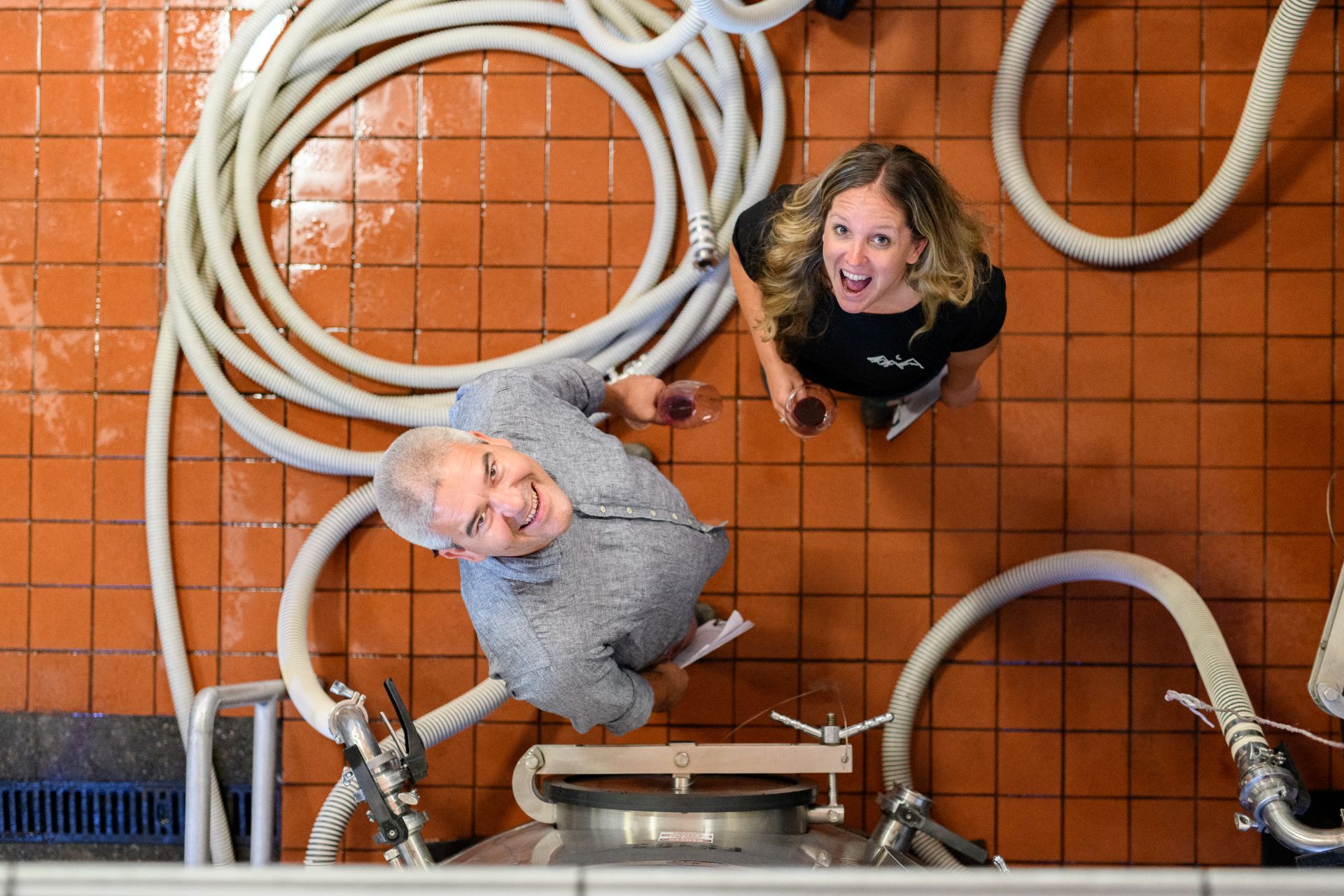
Harvest changes the rhythm of Napa Valley. From late summer into fall, the valley turns its attention to the defining work of the vintage: grapes ripen block by block, vineyard crews move steadily through the rows, and cellars come alive as freshly picked fruit arrives and a new vintage begins to take shape.
For visitors, it is a chance to see Napa not just as a beautiful destination, but as a working landscape—one where timing matters and every day looks a little different.
The wineries worth visiting during this stretch are the ones that let you in on that story. Vineyard walks, cave tours, behind-the-scenes looks at the cellar, and tastings guided by someone who knows the vintage well can all show you how what is happening outside eventually ends up in the glass.
Quick Answer: When Is Harvest Season in Napa Valley?
Napa Valley harvest typically begins in August and runs through October, sometimes extending into early November. Exact timing varies by grape variety, vineyard site, elevation, weather, and the individual vintage. Because Napa spans distinct appellations and microclimates, neighboring vineyards can be at very different stages of harvest on the same day.
What Is Napa Grape Harvest Season?
You will also hear the term “crush” used throughout Napa during this period. Harvest refers to picking the grapes; crush describes what follows, as that freshly picked fruit is processed and winemaking gets underway. For visitors, the pleasure is watching those two worlds meet: the vineyard closing out one chapter just as the cellar opens another.
Why Visit Napa Valley During Harvest?
Around the wineries, the energy shifts too. You might catch the scent of fermentation in the air or notice the quicker pace that comes with a cellar in the middle of vintage.
Then there are the quieter moments. Step underground into a wine cave and everything slows down. Barrels from previous vintages rest in cool, still surroundings while, just above, another vintage is only beginning.
It is a reminder that winemaking runs on two timelines at once: the urgency of harvest and the patience of aging. That contrast is part of what makes the season so rewarding for curious visitors.
What Should You Expect at Napa Wineries During Harvest?
Expect to encounter a working wine region, not a staged performance. Production takes priority during harvest, and what is happening at a winery can change from one day to the next as vineyard conditions, picking decisions, and cellar schedules evolve.
Access to active production areas can vary, especially on busy harvest days, so it is best not to arrive expecting to watch a specific grape being picked or a particular winemaking step underway.
Look instead for experiences built to explain the larger process. A knowledgeable host can connect the landscape, the cellar, and the wine in your glass more clearly than any single moment of production ever could.
What Makes a Great Napa Harvest Experience?
The most memorable harvest visits go beyond simply pouring a flight of wine. They give you a stronger sense of where you are and why that place matters.
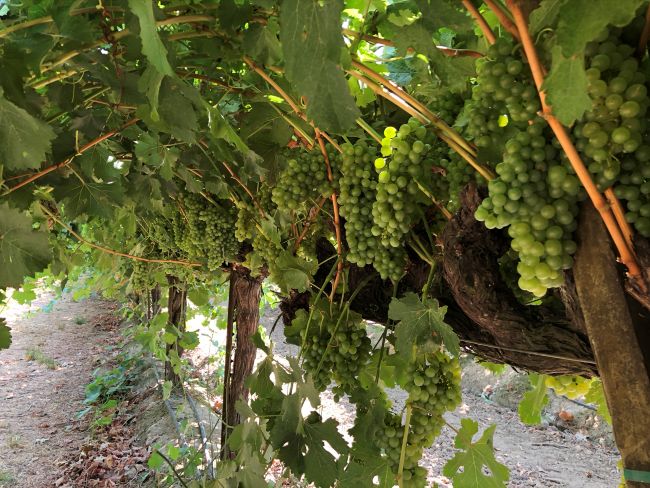
Walk the Vineyard
A vineyard walk brings wine back to its beginning. Look at the slope beneath the vines, notice where the sun falls and how exposed the rows feel, and pay attention to how the surrounding landscape shifts as you move through it.
Look Behind the Cellar Door
The winery shows another side of harvest entirely. Even when visitors cannot step into active production spaces, understanding how fruit moves from vineyard to cellar adds real meaning to what is happening around you: sorting, fermentation, extraction, blending, and barrel aging.
Each step represents a decision that helps translate the character of a vineyard into the wine itself.
Go Underground
Cave experiences offer one of Napa Valley’s most compelling contrasts. Above ground, harvest is all movement and timing; underground, wine develops slowly in the quiet of the caves.
Ask About Place
Ask where the wine in your glass was grown. The answer is often more interesting than you would expect.
Why Choose a Vineyard and Cave Experience During Napa Harvest?
By the time you taste the finished wine, you have a clearer sense of where it actually came from.
At Pine Ridge Vineyards, the Explorer’s Tour & Tasting: A Vineyard to Cave Experience follows exactly that path. The two-hour experience opens with a guided walk through the vineyard archway, with sweeping views of the estate and an introduction to the Stags Leap District, before guests head into the wine caves for a behind-the-scenes look at daily winemaking and settle in for a tasting of exclusive Pine Ridge bottlings.
During harvest, that progression feels especially fitting: you start in a landscape nearing the end of its growing season, then descend underground to where previous vintages are still evolving.
One vintage is just beginning. Another is resting quietly in barrel. A third is ready to be poured.
For anyone curious about what actually happens between vineyard and glass, seeing those stages together can change the way you think about what is in your glass.
How Does Harvest Differ Across Napa Valley Appellations?
Napa Valley contains 17 nested American Viticultural Areas, or AVAs, and harvest unfolds differently across them. Climate, elevation, soils, exposure, grape variety, and individual vineyard conditions all influence when a block is ready to pick, which is why there is no single day—or even single week—when “Napa harvest” happens all at once.
Getting to know a few of the valley’s appellations makes exploring during this season even more rewarding.
Stags Leap District
Set along Napa Valley’s eastern side, the Stags Leap District is known for Cabernet Sauvignon with a distinctive balance of power and refinement.
Pine Ridge Vineyards has called the Stags Leap District home since its founding in 1978 and today farms 47 of its roughly 160 estate acres here.
Walking this landscape is a good lesson in terroir without ever feeling like one: slope, sunlight, soil, wind, and exposure stop being abstract wine terms and become things you can actually see and feel.
Carneros
At Napa Valley’s southern end, Carneros feels the cooling influence of San Pablo Bay. Those cooler conditions suit varieties like Chardonnay and Pinot Noir especially well, creating a different growing and harvest rhythm from Cabernet-focused regions farther north and east.
Rutherford
In the heart of the valley, Rutherford is closely associated with Cabernet Sauvignon. Its mix of valley-floor and hillside growing sites makes it a good place to see how much soil, exposure, and vineyard conditions can vary even within a single appellation.
Oakville
Oakville sits in a celebrated mid-valley position and is another important home for Cabernet Sauvignon. Warm afternoons and varied soils contribute to wines often associated with richness, concentration, and structure.
Rise above the valley floor and the landscape changes dramatically. Howell Mountain’s elevation, volcanic soils, and demanding growing conditions create a distinctly mountain environment, and the Cabernet Sauvignon grown here is often associated with concentration, firm structure, and aging potential.
A General Guide to Harvest Character
Harvest timing should never be treated as a fixed appellation calendar. Individual blocks can move earlier or later depending on variety, elevation, exposure, weather, farming decisions, and the vintage itself.
Exploring these differences is one of the real pleasures of Napa Valley—the same grape can tell remarkably different stories depending on where it is grown.
When Is the Best Time to Experience Harvest in Napa?
There is no single perfect harvest week because timing changes with every vintage.
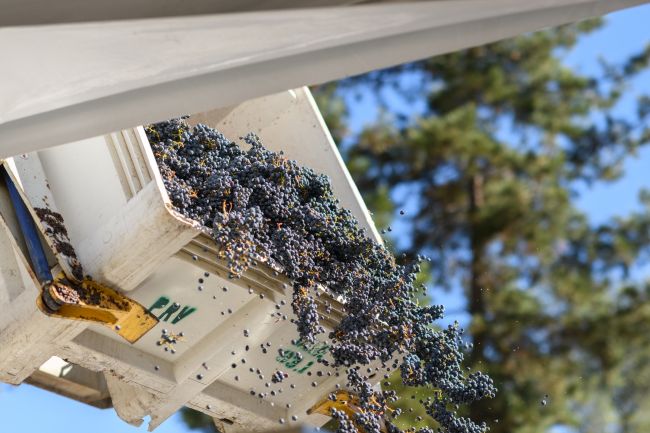
Napa’s harvest generally begins with earlier-ripening varieties and progresses toward later-ripening reds. Cabernet Sauvignon is among Napa Valley’s later-ripening major varieties and often carries harvest well into the fall, but vineyard location and that year’s growing conditions ultimately determine when individual blocks are picked.
If seeing active harvest matters to you, plan around the broader late-summer-to-fall season rather than trying to pin down an exact date.
The better approach is curiosity: ask your host what has already come in, what is still hanging on the vine, and how the season is progressing so far. Those answers will tell you more about the vintage than any calendar could.
Tips for Planning Your Napa Harvest Visit
Harvest is one of the busier times of year in Napa Valley, so a little planning goes a long way once you arrive.
- Reserve experiences early. Vineyard walks, cave experiences, food pairings, and small-group tours can fill up quickly, especially on weekends.
- Plan two or three winery appointments a day. A slower itinerary leaves room for conversation, travel, meals, and the occasional discovery along the way.
- Group your visits geographically. Napa Valley looks compact on a map, but moving repeatedly between distant appellations can take more time than expected.
- Leave room for the unexpected. Harvest follows the vineyard, not a visitor’s schedule, and production needs can shift quickly. Allow the season to reveal itself rather than overplanning every hour.
- Arrange safe transportation. A designated driver, private car service, or organized tour lets your group enjoy winery experiences responsibly.
How Many Wineries Should You Visit in One Day?
A tasting might take about an hour, while vineyard tours, cave experiences, and food pairings tend to run longer. Once you add lunch, driving, and the temptation to linger somewhere beautiful, a day fills up quickly.
Harvest rewards the unhurried traveler, so choose fewer experiences and give yourself time to actually notice where you are.
What Should You Wear During Napa Harvest?
Napa Valley style runs polished but relaxed, and during harvest, comfort and versatility matter most.
Temperatures can shift significantly between a sunny vineyard and an underground cellar, so a light jacket or sweater earns its keep even on a warm afternoon.
Follow the Season
Harvest is brief by nature. After months of growing, the moment to pick finally arrives, the fruit leaves the vineyard, and the landscape starts turning toward another season.
What happens during those weeks, however, keeps unfolding in the cellar for months—and in some wines, for years afterward.
That is what makes harvest such a rewarding time to explore Napa Valley.
Walk the vineyards. Look toward the ridgelines. Ask what is happening in the cellar that day, and step underground to see where earlier vintages are quietly resting.
Most of all, give yourself time to notice how much of what you taste begins with where you are.
At Pine Ridge Vineyards, that story starts in the rugged landscape of the Stags Leap District, home since 1978.
Ready to explore from vineyard to cave? Discover the Explorer’s Tour & Tasting at Pine Ridge Vineyards.
Frequently Asked Questions
Napa Valley harvest typically begins in August and runs through October, sometimes extending into early November. Exact timing changes each year based on grape variety, vineyard location, elevation, weather, and growing conditions.
Crush is the winery-side activity that follows harvest—freshly picked grapes arriving at the cellar and the earliest stages of winemaking getting underway. Around Napa, the word is often used more loosely to describe the general energy of the season.
Yes. Harvest lets visitors experience Napa as an active winegrowing region rather than simply a beautiful backdrop. Vineyard walks, winery tours, cave experiences, tastings, and seasonal events can all add context for how wine moves from vineyard to cellar.
Sometimes, but it should not be counted on. Picking schedules depend on vineyard conditions and can change on short notice, while active production areas often have restricted access.
A guided vineyard or winery experience is a more reliable way to understand harvest as it unfolds.
Look for experiences that tie the wine back to its origin: vineyard walks, cave tours, appellation-focused tastings, behind-the-scenes winery visits, and seasonal events.
Experiences that connect several stages of the winemaking journey can be especially rewarding during harvest.
The Explorer’s Tour & Tasting: A Vineyard to Cave Experience is a two-hour guided visit at Pine Ridge Vineyards in the Stags Leap District.
It opens with a vineyard walk and introduction to the estate, continues into the wine caves for a behind-the-scenes look at winemaking, and closes with a seated tasting of exclusive bottlings.
The experience is offered on specific weekend dates, and reservations are required. Check the current Pine Ridge Vineyards visit page for availability before planning your trip.
Reservations are strongly recommended, especially on weekends and for elevated experiences such as vineyard tours, cave tastings, and food pairings.
Policies and availability vary by winery, so it is worth checking directly before you visit.