Vineyards
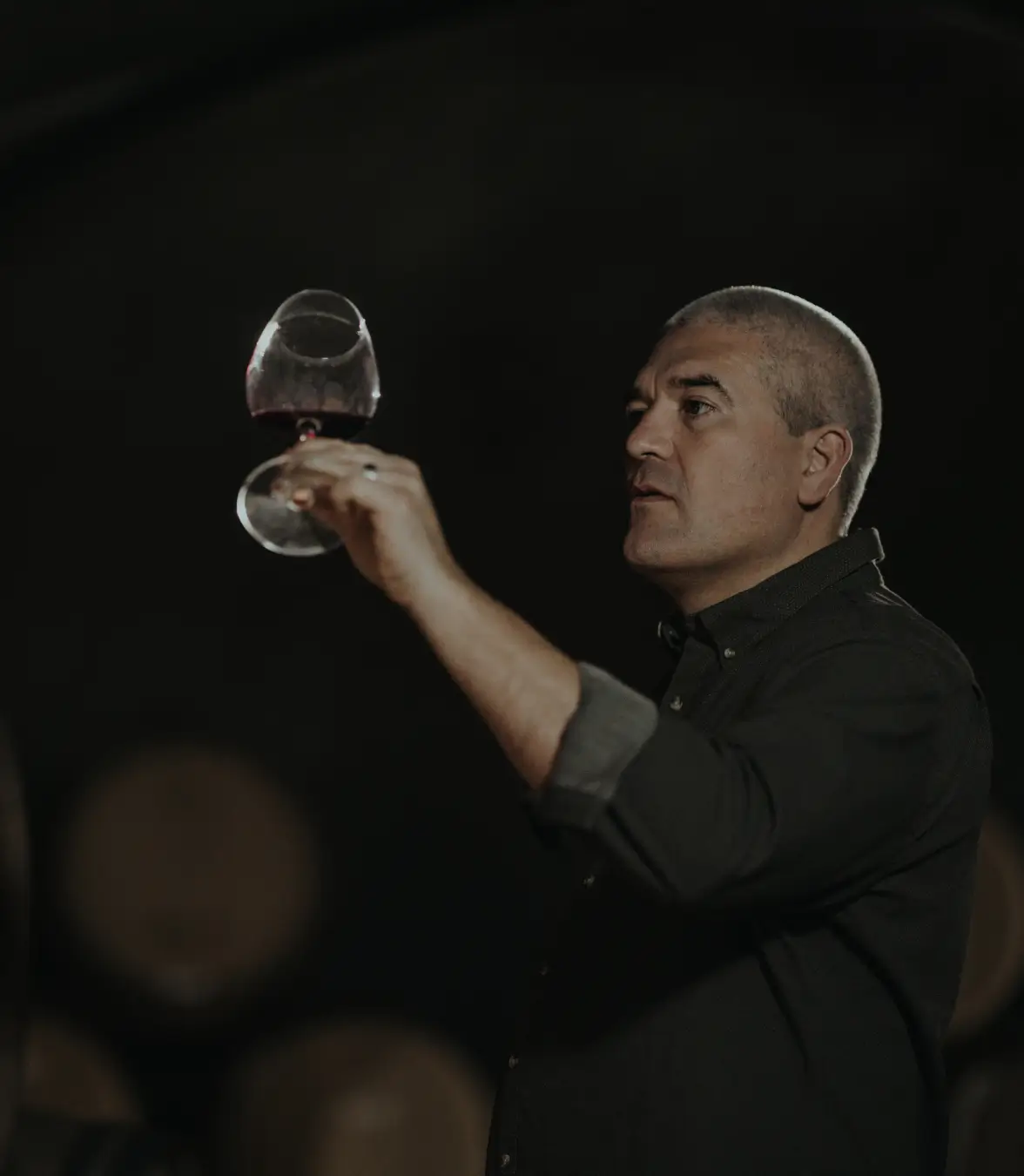
The impressive collection of Pine Ridge vineyards - four in the Stags Leap District, three in Rutherford, three in Carneros, and one each in Howell Mountain and Oakville - provides a remarkable palette for winemaker Michael Beaulac.
Michael Beaulac combines sensitivity to terroir with the art of assemblage to bring out the outstanding characteristics of each vineyard and to guide the fruit towards the wines they should naturally be.
Stags Leap District
Elegant power…
This appellation was one of the first in the United States to be approved is distinguished by its distinctive soil. Our 4 vineyards here take advantage of the coarsely eroded loam and clay soils and the bare rocks that heat the district during the day yet cool quickly at night when breezes from the rugged Pacific Coastline enter the valley.
Vineyards
Pine Ridge Estate Vineyard: This signature Estate Vineyard is planted on a steeply terraced hillside, necessitating us to farm most of the 25-acres by hand. The site features Cabernet Sauvignon, Malbec, Petit Verdot, Cabernet Franc and 2 acres of deliciously flavorful Chardonnay—this block, Le Petit Clos, may well be the only Chardonnay planted in the Stags Leap District. Afternoon breezes that course into this small canyon behind the winery create a slightly cooler microclimate than found in the rest of the appellation. The climate combined with the steep angle of the hillside and the well-draining rock and sand soils result in low yield fruit with intense flavors.
Locked Horns Vineyard: Just south of our Pine Ridge Estate Vineyard, this 6-acre site features clay loam soils with excellent water retention. Proven to be a perfect home for Cabernet Sauvignon Clone 7, Locked Horns Vineyard is an important Cabernet site. Cuttings from this vineyard are so prodigious they are often used to develop other vineyards in our estate collection.
Cornerstone Vineyard: This 7-acre parcel on the northernmost edge of the Stag’s Leap District is planted solely to Cabernet Sauvignon. Fruit from here releases delicate cocoa aromas and a velvety mouth feel. Plum and anise notes often complement the wine’s pronounced richness and supple body.
Circle Hill Vineyard: This especially rocky vineyard poses farming challenges to the vineyard crew, who must identify the perfect moment at which to cultivate the soil each spring. The vineyard is planted to Cabernet Sauvignon Clones 33 and 7.
Characteristics of Stags Leap District Wines
The signature varietal of the Stags Leap District is Cabernet Sauvignon. All the Bordeaux varietals planted here share a distinctive balance of power and elegance with concentrated flavors of black cherries, currants and chocolate.
Rutherford
Classic richness…
Prized Cabernet Sauvignon wines have been synonymous with the Rutherford Appellation since the mid 1800s, and the varietal now represents more than half of the planted acreage in Rutherford. The district is characterized by well-drained alluvial-fan soils: gravel sand and loam. The wines grown here are so distinctive that the phrase “Rutherford Dust” was coined in an effort to define the elusive qualities of the renowned terroir.
Vineyards
Rutherford Ridge Vineyard: With a steeply sloping hillside giving way to the rich valley floor, this 33-acre site produces a variety of wines. Tremendous Cabernet Sauvignon, Malbec, Petit Verdot and Tannat are crafted from both the rocky, sandy hillsides and the heavy clay of the flats. The prized Block 21 at the peak of the hill produces rich, complex Cabernet Sauvignon, often destined for our flagship blend, FORTIS.
Manley Lane Vineyard: This 16-acre site produces traditional Rutherford style Cabernet Sauvignons from Clones 191, 337, 341 and 7 on its heavy clay soils.
Hidden Canyon Vineyard: Cabernet Sauvignon thrives on this 12-acre spot planted exclusively to Clone 7. Tucked into a niche on a slope above the valley floor, the vineyard is perceptibly warmer than its neighbors, creating a unique style of Rutherford Cabernet.
Characteristics of Rutherford wines
Quintessential Rutherford Cabernet Sauvignon exhibits fine tannins accompanied by lush, round cherry and black currant flavors with an inky deep color.
Oakville
Stuctured grace…
The Oakville Appellation crosses the valley from the eastern Vaca Range to the Mayacamas Mountains on the west. Gravelly soils and the mid-valley location — where morning fog rolls north from the San Pablo Bay followed by bright, warm sunny afternoons—translate into optimal growing conditions for Cabernet Sauvignon.
Vineyards
Dos Olivos Vineyard: This vineyard derives its name from the two majestic olive trees that flank the entranceway to the property. In the rich, red volcanic soil of this 25-acre site, we’ve planted primarily Cabernet Sauvignon (Clones 337, 7, 8), with some Cabernet Franc and Petit Verdot.
Characteristics of Oakville Wines
Bordeaux style red wines produced here are well balanced, displaying bright red fruit flavors—cherry, currant and cranberry—with finely integrated tannins.
Carneros
Cool balance…
Located in the southernmost edge of the Napa Valley, vineyards in the Carneros appellation benefit from the marine influence of nearby San Pablo Bay. Overcast mornings and cool afternoon breezes contribute to a slow, even development of the grapes, resulting in an optimal balance of sugar and acid. The shallow and rocky soil over a base of clay provides just enough nutrients to support vine growth and fruit maturity.
Vineyards
Carneros Collines: A 38-acre site situated in the heart of Carneros is home to Merlot and the famed Dijon Chardonnay Clones (76, 95, 96.) This vineyard typically sees the first bud break of the season.
McKinnon Vineyard: Dedicated exclusively to Merlot, this 8-acre vineyard is planted on Carneros’ notorious “hard pan” clay soil in a 4’ x 8’ spacing for optimal vine density.
Olive Pond Vineyard: Chardonnay Clones 352, 92 and 76 are planted on this 3-acre plot, located directly across the street from McKinnon Vineyard.
Characteristics of Carneros wines
Carneros Merlots reveal delicate aromas of mint and eucalyptus highlighted by bright acidity, while Chardonnays feature ripe fruit notes of lemon, pineapple and honeycomb.
Howell Mountain
Rugged intensity…
Rising nearly 2,000 feet above sea level on Napa Valley’s northeastern edge, Howell Mountain Appellation experiences more dramatic temperatures than the valley floor—with warmer summer temperatures and colder winters leading to a late bud break and a late harvest. Cabernet Sauvignon grapes grown at this altitude typically develop thicker skins resulting in robust tannins.
Vineyards
Las Posadas Vineyard: This spectacular mountain site features 9-acres of Cabernet Sauvignon Clone 7 in dense 3’ x 5’ spacing. The dry, volcanic tufa soils drain rapidly, forcing vine roots to plunge deep into the mountainside in search of water. The struggling vines produce sparse clusters and small berries with intense flavor and color.
Characteristics of Howell Mountain Wines
This rugged, mountain appellation produces wines that are characteristically dense and full-bodied with pronounced black fruit flavors. In the glass, Howell Mountain Cabernets introduce a savory herbal note matched with brambly dark berry flavors and aromas, complexity and pronounced tannins.